
Custom tote bags solve a simple but expensive problem for many businesses: branded items often disappear after one event, one order, or one short campaign. When a bag is useful enough for shopping, work, travel, or daily errands, your logo keeps moving with the customer instead of staying inside a drawer.
This article explains the benefits of custom tote bags from a business perspective. You will see how they support brand identity, marketing exposure, practical use, customization decisions, procurement planning, and long-term value for branded campaigns.
Why Custom Tote Bags Still Matter for Business Growth?
Custom tote bags still matter for business growth because they combine brand exposure, practical use, and repeated customer contact in one product. A single $6 branded tote generates close to 5,000 brand impressions over its lifetime, according to ASI’s 2026 Ad Impressions Study, at a cost per impression of roughly one-tenth of a cent. No digital ad campaign touches that math once you factor in production cost against total reach.

- Everyday Visibility: bags travel on commutes, grocery runs, and weekend markets, putting your logo in front of audiences no single campaign could target directly.
- Compounding Impressions: each use adds another free impression on top of a one-time production cost, unlike paid media that resets every billing cycle.
- Sustainability Signal: a reusable tote replaces single-use bags and tells recipients your brand prioritizes durable, responsible choices over disposable giveaways.
- Branding Surface: Large flat panels give enough space for logos, brand colors, campaign slogans, website addresses, QR codes, and graphic designs.
The real value of custom tote bags comes from repeated use. A bag that looks branded but feels weak may disappear after one event. A bag that matches the user’s carrying needs can keep your brand visible long after the campaign ends.
Branding Value: How Custom Tote Bags Strengthen Brand Identity?
Custom tote bags strengthen brand identity by turning a useful daily item into a visible brand carrier. They give your logo, colors, slogan, and design style a physical form that customers can carry repeatedly. This makes the brand easier to recognize in retail spaces, public areas, events, and daily life.

Make Logos Easier to Recognize
Custom tote bags make logos easier to recognize through size, contrast, placement, and visual simplicity. A large front-center logo usually works better than a small corner mark because people see tote bags while walking, shopping, or passing through events. Strong contrast between the logo color and fabric color also helps the brand stand out from a normal viewing distance.
Brands can improve logo recognition by keeping the artwork clean. Use fewer graphic elements, avoid thin lines on textured fabrics, and leave enough blank space around the logo. For canvas, cotton, jute, or non-woven tote bags, simple shapes and solid colors often print more clearly than complex gradients or small text. When customers see the same logo layout in different business touchpoints, they remember the brand faster and trust the visual identity more easily.
Keep Brand Details Consistent
Brand consistency starts when the tote bag follows the same visual rules as the rest of the business. Colors, logo proportions, typography, fabric tone, label style, and packaging details should feel connected to the brand’s store, website, product packaging, or event booth.
For example, a skincare brand may use natural cotton, soft neutral colors, and a small woven label to match a clean retail identity. A streetwear brand may choose heavy black canvas, bold screen printing, and thicker handles to create a stronger product feel. The bag does not need to copy every brand element, but it should not look disconnected from the main brand image.
Improve Perceived Product Value
Fabric totes can make products feel more valuable than cheap plastic wrapping or plain disposable packaging. Heavyweight canvas, textured jute, soft cotton, or structured fabric can create a stronger tactile experience before customers open the package.
A thin, stiff, poorly finished tote reads as a low-effort giveaway, even with a well-designed logo on it. A heavier canvas with a clean folded hem reads as a considered product, not a leftover marketing expense. When customers receive both the product and a branded tote they can use again, the package feels more complete and thoughtful. This added utility can help brands support a higher retail value, especially for gift packaging, premium bundles, and limited-edition campaigns.
Tell Brand Stories Through Design
Custom tote bags can express brand stories through artwork, slogans, materials, labels, and packaging details. Bookstores often use quote-based graphics to create a cultural atmosphere. Wellness brands choose soft colors and natural cotton to communicate a calm, natural identity. Food markets use jute or canvas textures to build an organic and handcrafted retail impression.
Designs should support one clear message instead of filling the bags with too many elements. Launch campaigns use bold graphics and short slogans to improve recognition. Nonprofit projects integrate campaign messages and QR codes to encourage engagement. Fashion brands apply woven labels, minimal logos, and textured fabrics to create a refined product story.
Marketing Applications That Make Tote Bags Work as Mobile Advertising
The true power of custom tote bags lies in their versatile utility across diverse business touchpoints and customer journeys. By integrating branded totes into your existing operational workflows, you turn a functional everyday item into a highly effective, multi-channel marketing asset that drives continuous reality exposure.
Retail and E-Commerce Packaging

Retail and e-commerce packaging gives tote bags their first advertising moment because customers receive the bag directly with a purchase. In physical stores, branded totes replace ordinary shopping bags and travel with customers after checkout, making the store name visible in malls, streets, offices, and public transport. The bag is no longer just packaging; it becomes a moving extension of the retail experience.
For online brands, tote bags can turn unboxing into a longer marketing cycle. When gift sets, apparel orders, cosmetics, or subscription products arrive inside reusable totes, customers are more likely to keep the bag after the parcel is opened. Each later use gives the brand another chance to appear in daily life, which makes the packaging investment last longer than disposable wrapping.
Trade Shows and Event Giveaways
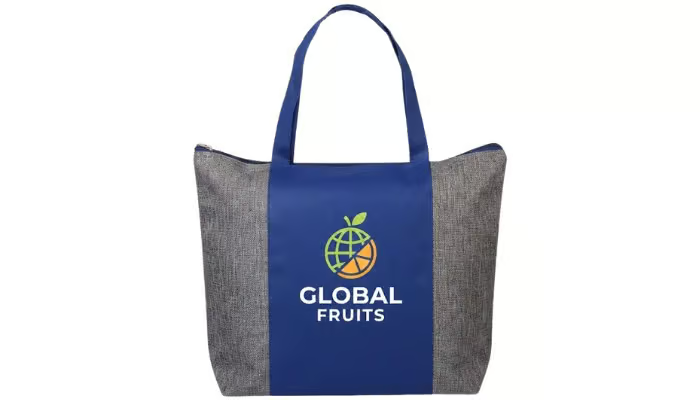
Trade shows and events create a high-density environment where tote bags can generate immediate visibility. Visitors need something to hold catalogs, samples, notebooks, and promotional materials, so a well-made event tote is likely to be carried across the venue instead of being ignored at the booth. As attendees move from one hall to another, the brand gains exposure among people who are already part of the target market.
Strong handles, useful capacity, and clear logo placement help the bag stay in use during the event, while campaign colors, QR codes, sponsor logos, or product messages can connect the tote to a specific launch or inquiry channel. The more useful the bag feels during the event, the more likely it is to continue advertising afterward.
Corporate Gifts and Onboarding Kits
Corporate gifts and onboarding kits use tote bags in a more controlled brand environment. Instead of handing out a bag randomly, companies use custom totes to organize welcome items, office supplies, notebooks, drinkware, uniforms, catalogs, or client gifts. This makes the tote part of a complete brand presentation rather than a separate promotional item.
After the kit is received, the bag often continues moving through offices, commuting routes, meetings, and business events. That gives corporate tote bags a quieter but longer-lasting advertising role. Clean designs, durable fabrics, and restrained logo placement usually perform better here because the bag needs to feel professional enough for repeated workplace use.
Hospitality and Wellness Promotions

Hospitality and wellness promotions work because tote bags fit naturally into service-based experiences. Hotels, resorts, spas, gyms, yoga studios, and wellness brands often provide customers with items to carry, such as towels, slippers, skincare products, brochures, membership materials, or welcome gifts. Tote bags make these items easier to handle while keeping the brand visible throughout the visit.
The advertising value increases when guests continue to use the bag outside the original location. Resort totes may appear at beaches, airports, and weekend trips, while spa or gym totes may enter daily routines such as shopping or commuting. In these settings, tote bags feel less like direct promotions and more like useful lifestyle accessories that carry the brand into everyday moments.
Community, Education, and Nonprofit Campaigns

Community, education, and nonprofit campaigns often need promotional items that are practical, easy to distribute, and visible in public settings. Schools, libraries, museums, charities, and local organizations can use tote bags for welcome packs, fundraising events, volunteer kits, awareness programs, or public activities. Because people use these promotional bags to carry books, documents, event materials, or daily items, the campaign message keeps appearing after the activity ends.
A clear slogan, organization name, sponsor logo, or awareness graphic can travel through campuses, neighborhoods, libraries, exhibitions, and community spaces. For large campaigns, non-woven totes help control cost; for fundraising or merchandise projects, cotton and canvas totes can make the message feel more valuable and worth keeping.
What Makes Tote Bags Useful After the Campaign Ends?
Marketing campaigns end, but the lifecycle of a well-made tote bag can continue much longer. Once the original promotion, event, or purchase is over, the bag needs to move from a campaign item to a practical carry solution. The more often customers choose to reuse it, the more naturally the brand appears in public spaces.

- Easy scenario switching: Simple open-top structures make tote bags easy to grab, fill, and carry across shopping, commuting, gym, campus, parenting, and weekend scenarios.
- Lifestyle identity: A well-designed tote can express taste, values, community, or brand connection, making customers more willing to be seen with it.
- “Just in case” reliability: Foldable, lightweight totes are easy to keep in cars, drawers, backpacks, or suitcases for unexpected carrying needs.
- Comfortable load support: Strong fabrics, reinforced seams, stable bottoms, and comfortable handles help the totes carry contents without feeling temporary.
- Tactile familiarity over time: Quality cotton canvas, heavy canvas, jute, or blended fabrics can soften with use, making the bag feel more personal and familiar.
Custom Tote Bags Compared with Other Promotional Products
Custom tote bags stand out among promotional products because they offer a practical carrying function, a visible branding area, and repeated use after distribution. For businesses, this balance makes tote bags suitable for retail packaging, trade shows, corporate gifts, community programs, and branded merchandise campaigns.
The table below compares custom tote bags with other common promotional products from a marketing and procurement perspective.
| Promotional Product | Main Business Value | Branding Advantage | Best-Fit Scenario |
| Custom tote bags | Reusable carrying function with wide business applications | Large print area and strong public visibility | Retail packaging, events, corporate gifts, lifestyle campaigns |
| Drawstring bags | Lightweight and easy to distribute in large quantities | Good for simple logo printing | School events, sports packaging, youth programs |
| Paper bags | Clean retail presentation for product handoff | Strong short-term packaging display | Store checkout, gift packaging, seasonal retail campaigns |
| Custom backpacks | Higher carrying capacity and stronger product value | More space for patches, labels, and multi-position branding | Employee kits, travel campaigns, premium merchandise |
| Small promotional gifts | Easy distribution for high-volume campaigns | Useful for quick logo exposure | Event booths, direct mail inserts, low-cost giveaway programs |
Custom Tote Bag Options That Improve Branding and Practical Value
To perfectly combine the “brand value” and “practicality” of a custom tote bag, the key lies in the craftsmanship and specifications before production. Below, we outline the most popular customization options from six core dimensions to help you create high-quality bags that reflect your company’s image and are irresistible to customers, while controlling your budget.
Material Selection
Material selection affects cost, durability, print quality, sustainability claims, and perceived value. A high-volume event tote may need cost-controlled non-woven fabric, while a retail merchandise tote may need cotton canvas with a stronger structure and a better hand feel.

- Cotton: Natural softness and clean print compatibility make cotton suitable for lifestyle brands, cafés, bookstores, and everyday retail use.
- Canvas: Heavier yarns and tighter construction give canvas better shape and load support for books, gift sets, fashion items, paid merchandise, and sturdier retail bags.
- Jute: Rough texture gives jute a natural character for farmers’ markets, organic food packaging, handmade products, and rustic gift programs, although fine artwork may lose detail on its uneven surface.
- Non-woven: Controlled material cost and simple logo printing make non-woven practical for supermarkets, exhibitions, community events, and large-volume promotional campaigns.
- RPET: Recycled polyester supports recycled material messaging for sustainability-focused campaigns, but brands should prepare material records or GRS-related documents when they want verified claims.
- Polyester or nylon: Lightweight, easier cleaning, and better moisture resistance make these fabrics suitable for foldable shopping totes, travel bags, sports promotions, and outdoor-related projects.
Bag Size and Capacity
Bag size sets the practical limit of a tote bag. A design may look good in photos, but users will not keep the bag if it cannot hold the items they actually need to carry. For business projects, size planning should start from the product, event materials, or daily use scenario, not from appearance alone.
- 25 × 30 cm (W × H): Compact sizes work for cosmetics, small gifts, books, samples, and boutique retail packaging where a lighter carrying load matters more than volume.
- 35 × 40 cm (W × H): Standard daily sizes suit grocery shopping, trade show materials, office items, wellness kits, and general promotional campaigns because they balance capacity and easy carrying.
- 40 × 45 cm or larger (W × H): Bigger formats support apparel, blankets, multiple product sets, event catalogs, and family shopping use, but they need stronger fabric, wider handles, and better bottom support.
- Gusseted totes: Side or bottom gussets create more usable space and help the bag stand more naturally when filled, which improves retail presentation and product packing.
- Flat totes: Flat structures reduce bulk and packing volume, making them useful for lightweight giveaways, document bags, and campaigns where storage and shipping costs need control.
Handle Structure
Handle structure directly influences carrying comfort, which often determines whether customers reuse the bag. Short handles create a neat hand-carry style for retail packaging and gift bags, while longer handles allow shoulder carrying for shopping, commuting, campus use, events, and travel. Handle drop should be planned according to the intended carrying style, not chosen as an afterthought.
For heavier tote bags, handle width and stitching strength become especially important. Narrow handles may cut into the hand or shoulder, even if the bag body is strong enough. Reinforced cross-stitching, wider webbing, soft cotton handles, or self-fabric handles can improve the carrying experience and make the bag feel more reliable in daily use.
Branding Methods
Branding methods decide how the logo looks, feels, and lasts on custom tote bags. The right method depends on fabric texture, order quantity, artwork detail, color requirements, and the final brand position.

- Screen printing: suits cotton, canvas, RPET bags, and polyester tote bags when the design uses solid colors, clear lines, and medium-to-large logo areas.
- Digital printing: reproduces multi-color artwork, gradients, illustrations, and photo-style graphics directly on the fabric without plate setup, making it a flexible option for complex visuals or smaller custom tote bag runs.
- Heat transfer printing: Works better for colorful artwork, gradients, photos, and smaller production runs where brands need more design flexibility.
- Embroidery: adds texture and a stronger retail feel, especially on canvas and cotton tote bags, but very small text or detailed graphics may lose clarity.
- Woven labels: create a cleaner merchandise-style finish and work well for fashion brands, lifestyle retailers, corporate gifts, and private label tote bags.
- Patches: PU/leather/rubber/fabric patches can make the logo feel more dimensional and are useful when brands want a stronger product identity.
Functional Add-Ons
Functional add-ons upgrade basic totes into high-utility gear, boosting user retention. However, every detail must solve a practical friction point without adding clutter. Brands must balance these features wisely, as each component directly increases material costs, production labor, packing volume, and manufacturing timelines.

- Zipper Closures: Maximize security for documents, electronics, and valuables during travel or daily commutes, instantly transforming a simple giveaway bag into a premium, secure utility tote.
- Snap Buttons: Deliver a sleek, minimalist alternative to zippers, providing a lighter and more cost-effective closure that maintains the bag’s clean silhouette while ensuring quick, easy access.
- Inner Pockets: Eliminate clutter by keeping small essentials like smartphones, cards, keys, and receipts fully isolated from the main compartment to drastically elevate daily user convenience.
- Internal Linings: Enhance the overall interior finish and add functional structural support, allowing brands to introduce vibrant color contrasts or water-resistant surfaces for luxury and fashion retail.
- Bottom Support: Utilize reinforced boards, layered fabrics, or heavy gussets to maintain a pristine, upright shape even when loaded with heavy books, glass jars, or multi-item gift sets.
Retail Presentation Details
Retail presentation details instantly transform a simple giveaway into a premium, retail-grade product. The right finishing and packing choices help products look organized while also supporting storage, transportation, and distribution.
- Color Matching: Sync fabric, print, and handle colors precisely with the brand palette, ensuring absolute visual consistency across all packaging and physical marketing materials.
- Hang Tags & Labels: Communicate essential product data including brand heritage, fabric care instructions, barcodes, and pricing—to streamline both retail and wholesale distribution.
- Bulk Packing Methods: Optimize carton quantities, folding styles, and inner packaging to align perfectly with warehouse handling, international shipping regulations, and logistics efficiency.
- Retail-Ready Preparation: Group, fold, and label bags before shipping, allowing retailers to bypass backroom prep and move inventory from the delivery dock to store shelves instantly.
Procurement Factors That Affect Custom Tote Bag Results
A custom tote bag project can look simple on paper, but small sourcing decisions often change the final result. Clear specifications, certified material records, artwork review, sample approval, and shipping plans help keep custom tote bag orders easier to quote, produce, inspect, and deliver.

Usage Scenarios and Bag Specifications
A tote for trade show catalogs, grocery retail, and fashion gift packaging may look similar in photos, but each project needs different fabric weight, handle length, gusset size, logo method, and packing plan.
Catalog-heavy event bags need enough width for documents and stronger handles for collected samples. Grocery totes need better load support and a stable bottom structure. Fashion or beauty gift totes need cleaner fabric surfaces, softer color control, and neater folding presentation.
Before requesting a quote, you should define what the bag will carry, where people will carry it, and how long the bag needs to stay in use, which makes material selection, size planning, sampling, and cost control much easier.
Certified Materials and Market Compliance
Certified materials and market compliance should be checked early when custom tote bags are used for retail, corporate programs, children’s projects, or sustainability campaigns. As a supplier, we usually review the target market, bag material, logo method, trims, and customer claims before recommending certificates or testing options.
- European Union: REACH restricts certain chemicals in fabrics, dyes, coatings, prints, trims, and plastic accessories used in products sold in the EU.
- United States: Children’s tote bags must meet CPSIA rules when designed or marketed for children, including lead limits, phthalate limits, tracking labels, and product certificates. California sales may also need Prop 65 warning review.
- Canada: Textile products need proper fiber content labeling, and children’s products must meet applicable safety requirements under Canadian consumer product rules.
- Australia: Product safety rules, care labeling, and material claims should match Australian consumer law requirements, especially for retail and children’s product projects.
- Recycled material claims: RPET, recycled cotton, or other recycled tote bag materials need supporting records when brands claim recycled content, especially under GRS or retailer audit requirements.
- Organic or sustainable claims: Organic cotton, biodegradable, compostable, eco-friendly, or low-impact claims should be supported by certificates or test reports to reduce greenwashing risk.
Sample Confirmation and Production Alignment

Sample verification helps identify production risks before custom tote bags move into large-scale manufacturing. A sample should reflect the expected material, structure, branding effect, and functional performance because small differences at this stage can create larger quality issues during bulk production.
Important details to verify include the fabric weight and texture, bag dimensions, handle strength, logo appearance, stitching quality, and functional components. Incorrect fabric thickness can affect durability. Wrong logo size or printing method can reduce brand visibility. Weak handle attachment or poor stitching can cause failures when users carry heavier items.
A confirmed sample also provides a production reference for cutting, sewing, printing, and assembly teams. Skipping sample verification increases the risk of receiving tote bags that look different from expectations, fail during use, or require costly corrections after mass production begins.
MOQ, Lead Time, Packing, and Shipping
MOQ determines the production scale and customization options available. Larger quantities usually improve cost efficiency, while smaller orders may limit fabric choices, printing methods, or special structures. Lead time also depends on material preparation, sampling approval, production complexity, and order volume, so early planning helps avoid delays before events, launches, or seasonal campaigns.
Packing and shipping details also affect the final project result. Folded packing can reduce carton volume for some tote bag styles, while heavier fabrics, larger sizes, or reinforced structures may require more shipping space. Clear planning of MOQ, production schedule, packing method, and delivery requirements helps keep custom tote bag orders predictable from manufacturing to final distribution.
How to Measure the Marketing Value of Custom Tote Bags?
The marketing value of custom tote bags can be measured through usage frequency, brand exposure, customer interaction, and business feedback. Unlike short-term promotional materials, tote bags can continue generating visibility after distribution, so evaluation should include both immediate campaign results and long-term brand impact.

- Cost per use: Divide the total production cost by the estimated number of times users carry the tote bags. A durable tote with repeated daily use can deliver continuous promotional value beyond the initial distribution.
- Campaign reach: Measure the number of bags distributed through events, retail programs, corporate gifting, or community campaigns. This shows the size of the first group exposed to the brand message.
- Repeat brand exposure: Evaluate how often customers continue using the bags in public spaces such as offices, stores, transportation areas, and daily shopping environments. Each reuse creates additional opportunities for brand visibility.
- Customer interaction signals: Use QR codes, promo codes, dedicated landing pages, or social media tags when available to track customer responses and connect offline promotions with online engagement.
- Reorder and sales feedback: Review repeat orders, customer comments, product demand, and campaign results to understand whether tote bags continue supporting brand promotion or merchandise strategies.
Choose Gentle Bags as Your Reliable Custom Tote Bags Supplier
With 17+ years of manufacturing experience, we provide customized solutions covering material selection, logo methods, structural options, sampling, bulk production, and global shipping. Different projects receive different recommendations based on their usage scenarios, target markets, and distribution plans.
Whether you need promotional tote bags, retail packaging totes, corporate gift bags, or sustainable fabric bags, Gentle Bags can support your project from concept to delivery. Contact us to discuss your custom tote bag requirements and get a solution that matches your brand goals, budget, and production needs.
Conclusion
Custom tote bags create value beyond simple product distribution. They combine brand visibility, marketing applications, daily usefulness, and flexible customization into one practical solution. When the material, structure, design, and production details match the target audience, a tote bag can continue promoting a brand long after the original campaign ends.
For businesses, the strongest results come from treating tote bags as long-term brand assets rather than short-term giveaways. A well-designed custom tote bag can support customer experience, increase repeated exposure, and provide lasting value through everyday use.
FAQs
1. What are the main benefits of custom tote bags for businesses?
Custom tote bags help businesses combine branding, marketing, and practical value in one product. They provide a large area for logo visibility, support repeated brand exposure through daily use, and offer customers a useful item that can stay in circulation after the campaign ends.
2. Which materials are best for custom tote bags?
The best material depends on the purpose, budget, and expected usage. Cotton and canvas suit retail merchandise and lifestyle brands because of their natural feel and durability. Non-woven materials fit large-volume promotions, while RPET works well for projects that require recycled material positioning.
3. Are custom tote bags cost-effective for marketing campaigns?
Custom tote bags can be cost-effective when businesses consider long-term usage instead of only the initial unit price. A durable tote bag can continue generating brand exposure through repeated carrying, which increases the value created from the original production investment.
4. What customization options are available for tote bags?
Custom tote bags can be adjusted through material selection, size, handle structure, logo methods, functional features, and presentation details. Common options include screen printing, digital printing, embroidery, woven labels, pockets, zippers, lining, and reinforced bottoms.
5. What should businesses check before ordering custom tote bags in bulk?
Before bulk production, you should confirm the intended use, material requirements, bag size, logo method, sample approval, compliance needs, MOQ, lead time, packing method, and shipping plan. Clear specifications help reduce production risks and ensure the final bags match expectations.