

Explore Our Custom Softball Bag Styles
Different softball bag styles suit different gear loads, carrying methods, and storage needs. We customize each structure in size, layout, materials, and functional details to match your product positioning and bulk order requirements.

Ergonomic Softball Backpacks
Softball backpacks pair a tall body with dual shoulder straps, side bat sleeves, and layered front pockets for an upright, space-efficient layout.
Explore This Style
Heavy-Duty Rolling Softball Bags
An elongated body, reinforced wheelbase, and pull handle define rolling softball bags, helping heavier gear move without reducing main storage.
Explore This Style
Wide-Opening Softball Duffle Bags
With a horizontal body, broad top zipper, twin handles, and flexible side panels, softball duffle bags offer an open structure for easier loading.
Explore This Style
Structured Softball Bucket Bags
A cylindrical shell shapes softball bucket bags around a bucket-style core, while exterior panels add practical space for extra training gear.
Explore This Style
Compact Softball Sling Bags
Slim and asymmetrical, softball sling bags rely on one crossbody strap to create a compact one-shoulder format suited to lighter equipment loads.
Explore This Style
Foldable Softball Fence Bags
Softball fence bags unfold into a flat hanging organizer, using top hooks and gear pockets to keep bats and helmets accessible along the dugout fence.
Explore This StyleCustom Softball Bag Product Development
Design Direction
Define the overall visual character around a classic team look, performance styling, or a more retail-focused direction.
Size and Capacity
Adjust overall dimensions around the equipment load, player age, and intended use to balance storage space with practical carrying comfort.
Panel Styling
Develop the bag silhouette, panel proportions, seam layout, and color blocking to create a more distinctive structure and visual identity.
Team Color Scheme
Coordinate primary, secondary, and accent colors across the bag to match team, club, school, or brand identities.

Material Options for Custom Softball Bags
Material choice affects weight, structure, abrasion resistance, weather protection, and overall product positioning. We can match fabric type, denier, coating, hand feel, and color to your softball bag design, target market, and order requirements.
- Polyester: Good abrasion resistance, stable color performance, and low weight make polyester a reliable choice for everyday softball bags and larger production runs.
- Nylon: With a smoother hand feel and strong flexibility, nylon handles repeated pulling and bending while keeping the bag relatively light.
- Oxford Fabric: Its dense weave creates a firmer surface and better shape retention, while different deniers let you adjust fabric toughness for different product levels.
- Canvas: A thicker body and natural woven texture give canvas softball bags a more substantial feel and a more structured appearance.
- RPET Fabric: Produced from recycled PET fibers, RPET retains many practical polyester characteristics while supporting product lines that require recycled material content.
- PVC Tarpaulin: The coated surface resists water and wipes clean easily. Its heavier construction suits reinforced bases, high-contact panels, and softball bags exposed to wet or dirty conditions.
Personalized Softball Bags With Brand-Specific Finishes
Branding should match both the bag surface and the visual direction of the product line. For personalized softball bags and wholesale programs, we support different logo applications according to artwork detail, fabric compatibility, order quantity, and the finish required for the final product.
- Embroidery: Adds a raised, stitched finish that works well for logos, names, and numbers on stable fabric panels.
- Screen Printing: Handles bold graphics and larger print areas efficiently when the artwork uses clear shapes and limited detail.
- Heat Transfer: Supports detailed logos, names, and multicolor graphics on selected surfaces without adding bulky stitched areas.
- Sublimation: Particularly suitable for polyester fabrics, sublimation creates full-color graphics and smooth gradients.
- Woven Labels: Create a clean, durable brand finish and can show logos, small text, and fine details clearly on both interior and exterior bag panels.
- Rubber or PVC Patches: Molded construction creates a raised, dimensional logo effect that gives softball bags a stronger sporty and more technical appearance.


Custom Softball Bag Storage and Function Design
A well-planned custom softball bag needs functional details that match the intended gear load and use scenario. We can adjust the internal layout and supporting details to make the finished bag more practical and easier to use without adding unnecessary complexity.
- Dedicated Compartments: Arrange bat sleeves, helmet sections, cleat compartments, ball pockets, dividers, and accessory storage around the intended equipment load.
- Protective Padding: Place foam or padded panels around selected equipment zones and bag surfaces that require extra cushioning or structural support.
- Ventilation Design: Integrate mesh panels, air openings, or breathable sections into cleat and damp-gear compartments to improve airflow and reduce trapped moisture.
- Access and Opening Design: Choose U-shaped openings, top zippers, front-access panels, or dual-zip layouts according to the size and loading method of the stored equipment.
- Functional Hardware: Specify fence hooks, D-rings, clips, buckles, zipper pulls, and attachment hardware to support hanging, fastening, opening, and daily handling.
- Equipment Securing Features: Use compression straps, elastic retainers, hook-and-loop tabs, or internal fixing points to limit gear movement during transport.
Why Work With Gentle Bags for Custom Softball Bags?


As a professional softball bag supplier, Gentle Bags combines direct factory support with a more coordinated development process, helping brands and wholesalers reduce communication gaps, shorten decision cycles, and keep specifications consistent from sampling through bulk production. With over 17 years of bag manufacturing experience, our team can also support repeat programs, multiple colorways, and growing product lines with stable production control.
Our one-stop development service connects design review, sample development, production preparation, quality inspection, packing, and shipment coordination under one project flow. Instead of managing separate suppliers for different stages, you can move from an initial softball bag concept to bulk delivery through one coordinated team.
How Do Custom Softball Bags Add Value to Your Brand?

Strengthen Brand Recognition
Softball bags offer large, visible exterior panels that travel with players between practice, games, tournaments, and team trips. Consistent colors, graphics, and branding across the bag line create repeated field-side exposure and make the brand easier to recognize across different team and retail settings.

Reach More Market Segments
Softball programs vary widely in gear volume, carrying preference, player level, and use frequency. Brands can develop lighter daily-use models, larger tournament-oriented bags, and team-focused storage options to cover different customer groups, price tiers, and wholesale channels without relying on one standard product.

Increase Product Value
Softball-specific features such as bat storage, helmet and cleat separation, ventilation, reinforced wheel areas, or fence-hanging functions move the product beyond a basic logo bag. These details support clearer product tiers, stronger market positioning, and greater commercial value across a wholesale softball bag range.
What Do Our International Customers Say About Gentle Bags?
Softball bag projects often start with very different briefs, from launching a new branded line to replenishing an established wholesale program. These comments reflect what buyers valued most when working with Gentle Bags on custom softball bags.
Gentle Bags helped us refine our custom softball bags around bat storage, helmet space, and branding requirements. The approved sample gave us a clear reference before bulk production, and the finished order followed the structure and artwork we had confirmed.

Sophie
Procurement Manager
Our wholesale softball bags required several colorways and consistent logo placement across the order. Working with Gentle Bags made the sourcing process easier because one team coordinated sampling, production details, inspection, and packing from start to finish.

Lily
Wholesale Buyer
We needed rolling softball bags with a stronger base, practical wheel placement, and storage suited to heavier equipment. Gentle Bags worked through the construction details with us and kept the key specifications aligned when the project moved from sample approval into bulk production.

Charlotte
Product Manager
Related Product
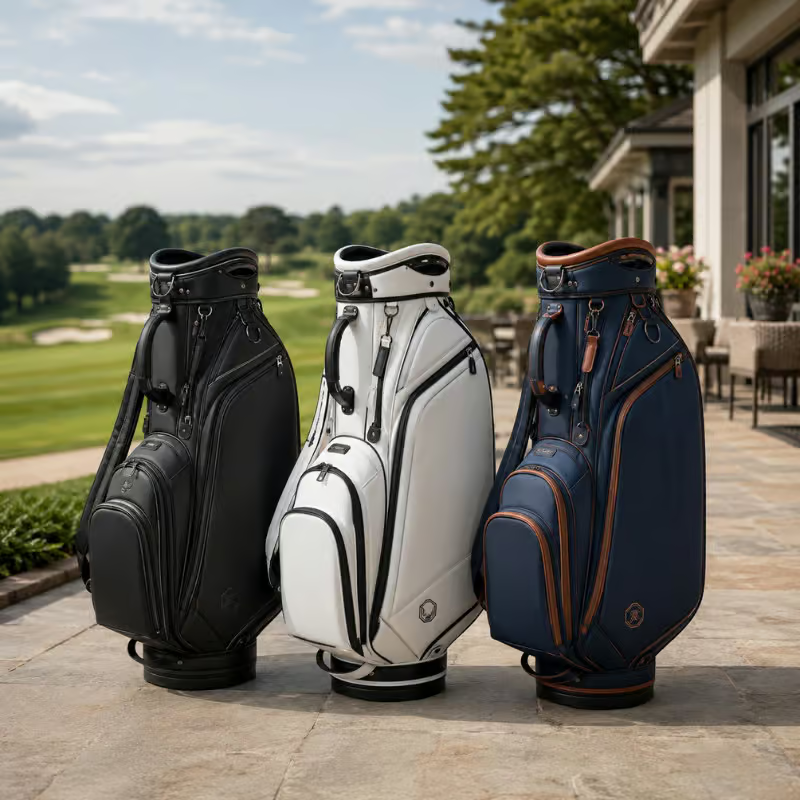
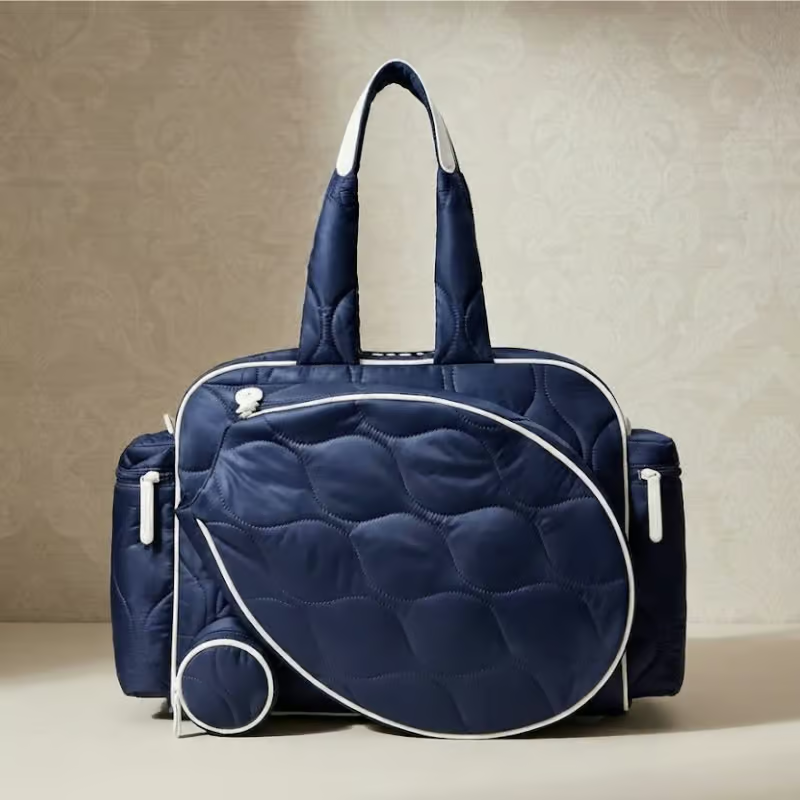


Softball Bag vs Baseball Bag: What Is the Difference?
Softball bags and baseball bags both belong to the broader sports bags category and serve the same basic purpose of carrying game and training equipment. The difference lies in the gear profile: softballs have a larger diameter, fastpitch players commonly use helmets with face guards, and softball bats usually have slimmer barrels than baseball bats. Baseball equipment creates different fit requirements, especially around bat storage, while softball gear often places more demand on ball and helmet space.
Those equipment differences change the bag itself. A softball bag may need deeper helmet storage, larger ball sections, and slimmer bat sleeves, while a baseball bag can use wider bat openings and different compartment proportions. The result is not simply the same bag with a different logo—the internal dimensions and storage geometry should match the equipment of each sport.
What Should Brands Consider Before Ordering Custom Softball Bags?
Before placing a custom softball bag order, brands should define the commercial requirements behind the product rather than start with materials or logo details alone. Clear positioning helps keep development, sampling, pricing, and bulk production aligned with the intended market.
- Target Customer: Decide whether the product serves youth players, adult players, teams, clubs, coaches, or retail customers, since each group expects a different balance of capacity, features, and price.
- Product Positioning: Set the intended entry-level, mid-range, or premium position before development, so the final specification does not exceed the price level the market can support.
- Order Quantity and SKU Plan: Confirm expected bulk quantity, colorways, sizes, and variants early. Too many SKUs can divide a wholesale softball bag order into smaller production quantities.
- Sales Channel: Retail, team supply, distributor programs, and promotional channels can require different packaging, labeling, barcode, and presentation details.
- Reorder Strategy: Consider whether the project is a one-time order or part of a repeat supply program. Stable specifications make future production and inventory planning easier.
What Are the Most Common Softball Bag Design Mistakes?
Problems often appear when a custom softball bag looks acceptable in a drawing but fails under real equipment loads. These mistakes can reduce usable capacity, weaken durability, increase sample revisions, or create complaints after bulk production.
- Copying a Generic Sports Bag Layout: Standard layouts often leave too little room for bats, helmets, and cleats, making the bag awkward to pack.
- Ignoring Equipment Dimensions: Short bat sleeves or tight helmet sections can prevent gear from fitting and force costly sample changes.
- Adding Too Many Compartments: Excess dividers reduce usable space and make bulky equipment harder to load.
- Overlooking Weight Distribution: Poor balance can make rolling softball bags tip, drag badly, or place extra stress on the wheel base.
- Under-Reinforcing Load Points: Weak handle joints, strap attachments, or wheel mounts can lead to tearing or loose stitching.
- Skipping Full Sample Testing: Unchecked fit or access issues can carry into wholesale softball bags, making corrections harder after production starts.
What information do you need for a custom softball bag quote?
For a custom softball bag quote, send your target quantity, bag dimensions, intended gear load, material preference, logo artwork, color requirements, and packaging needs. Reference photos, drawings, or an existing sample also help us review the project faster and prepare a more accurate RFQ.
Can you manufacture custom softball bags from a tech pack or reference sample?
Yes. We develop custom softball bags from tech packs, drawings, reference photos, or physical samples. Our factory reviews the construction, dimensions, materials, and functional details, then confirms any points that need adjustment before sampling starts.
Do you support private-label softball bags for retail programs?
Yes. Private-label softball bags can include woven labels, care labels, hangtags, barcode stickers, custom zipper pulls, and retail-ready packaging. Brands and distributors can supply their own specifications or discuss suitable options with our factory before bulk manufacture.
Can personalized softball bags include player names and numbers?
Yes. Personalized softball bags can carry player names, numbers, team graphics, or individual identifiers through suitable branding methods. The best process depends on the artwork, fabric, order quantity, and whether every bag requires unique personalization.
Can you help reduce the cost of a custom softball bag without changing its main function?
Yes. For a custom softball bag project, we can review fabric weight, hardware, pocket construction, padding, decoration method, and other cost drivers while protecting the key functions your product needs. This gives brands more room to match the bag specification to a target wholesale price.
Can you support repeat supply for wholesale softball bags?
Yes. For repeat wholesale softball bags, we use the approved specifications and production reference from the original order to support more consistent reorders. Keeping the same material codes, colors, construction details, branding requirements, and packaging information also reduces unnecessary redevelopment for future bulk supply.