
Retail packaging is shifting toward reusable solutions across supermarkets, fashion retail, e-commerce, and promotional packaging. Reusable bags are no longer only an eco-friendly alternative to plastic bags. Retailers now use them to improve brand visibility, support sustainability goals, and respond to changing consumer shopping habits.
At the same time, stricter plastic reduction policies and rising ESG pressure continue to reshape retail packaging decisions worldwide. In this article, you will learn the major market trends driving the reusable bag industry and how retail businesses are adapting to these changes.
Why Are Reusable Bags Becoming a Long-Term Retail Strategy?
Reusable bags are becoming a long-term solution in modern retail packaging. Stricter plastic regulations, changing consumer habits, and growing sustainability pressure are accelerating this shift across multiple retail sectors. In this section, we will look at the main factors driving reusable bag adoption in retail.

Stricter Plastic Reduction Policies
Plastic reduction policies have become much stricter in recent years. Governments across Europe, North America, and Australia now use plastic bag bans, mandatory bag fees, packaging taxes, recycling rules, and single-use plastic restrictions to control packaging waste.
The European Union Single-Use Plastics Directive has already pushed businesses toward reusable and recyclable packaging solutions. Several US states, including California and New York, enforce statewide plastic bag restrictions, while Australia has phased out lightweight plastic shopping bags across most major retail channels.
According to the UNEP, around 66% of countries worldwide have introduced regulations on plastic bags. For businesses selling across different markets, reusable bags now provide a more stable packaging direction than relying on disposable formats that may face new local restrictions.
Growing Consumer Sustainability Awareness
Modern consumers, especially Gen Z and millennial shoppers, often evaluate brands through visible values, not price alone. Packaging has become part of that judgment. When a brand uses reusable, recyclable, or lower-impact packaging, customers can see its environmental position directly during the shopping experience.
According to PwC’s 2024 Voice of the Consumer Survey, consumers are willing to spend an average of 9.7% more on sustainably produced or sourced goods. Reusable bags give retail brands a visible way to communicate that commitment because the bag stays in daily circulation after purchase. It also helps reduce negative perception around excessive disposable packaging, especially in markets where social media quickly amplifies packaging criticism.
Changes in Consumer Shopping Habits
Consumer shopping habits have changed significantly in recent years, especially as reusable packaging becomes more common in everyday retail environments. Many shoppers now bring reusable bags during grocery shopping, retail purchases, and daily commuting instead of depending entirely on disposable store packaging. In many cities, carrying reusable shopping bags has gradually become part of normal consumer behavior.
The growth of e-commerce, convenience retail, and fast-paced urban lifestyles has also changed what consumers expect from shopping bags. Consumers want bags that are lightweight, foldable, washable, and easy to keep inside a car, backpack, or handbag for repeated use. Because people now reuse the same bag across multiple shopping situations, businesses are placing greater emphasis on durability, functionality, and long-term usability rather than treating packaging as a single-use retail expense.
Retail Pressure to Improve Sustainability Goals
As investors, consumers, and regulatory agencies place greater attention on ESG performance, reusable bags are moving beyond environmental messaging and becoming part of long-term retail strategy.
Carbon footprint management also pushes this shift. Reducing single-use plastic packaging gives businesses a visible and measurable way to improve sustainability performance. Reusable bags can reduce repetitive packaging waste across store operations, retail distribution, and daily customer use, especially in high-volume retail environments.
Reusable bags also change how businesses view packaging costs. A disposable bag ends its value after checkout, but a reusable bag can keep carrying the brand through shopping, commuting, travel, and office use. For many retail brands, this turns packaging from a short-term expense into a long-term marketing asset.
Major Market Trends Driving the Reusable Bag Industry
The reusable bag industry is moving beyond basic eco-friendly shopping bags. Retail businesses now look at materials, functionality, branding, compliance, and sourcing transparency when developing reusable packaging programs. In this section, we will review the major market trends shaping reusable bag design and production across modern retail.

Growth of Sustainable Materials
Sustainable materials are becoming a major development direction in retail reusable packaging. Many retail brands no longer choose reusable bags based only on cost or basic functionality. Alongside traditional non-woven polypropylene bags, many retail businesses now use organic cotton, jute, and rPET fabric made from recycled plastic bottles to support sustainability goals and strengthen eco-friendly branding while helping reduce dependence on virgin plastic packaging.
Material innovation is also reshaping premium retail packaging. Some brands have started using materials such as Piñatex, made from pineapple leaf fiber, mushroom-based leather alternatives, and washable paper to create more distinctive reusable retail bags. Compared with conventional shopping bags, these materials offer more unique textures, stronger visual differentiation, and a higher-end retail presentation, which helps reusable bags function as both packaging and long-term brand assets.
Demand for Functional Bag Designs
Retail reusable bags are becoming more function-oriented because consumers use the same bag across more daily scenarios. A bag may move from grocery shopping to commuting, travel, takeaway pickup, office use, or weekend errands. This has pushed brands to focus on structure, storage, comfort, and carrying stability rather than only basic logo printing.
- Foldable structures: Easy to store inside handbags, backpacks, or vehicles for repeated daily use.
- Reinforced handles and stitching: Improve carrying stability for groceries, fashion products, and heavier retail items.
- Wide gussets and reinforced bottoms: Improve load stability and help reusable bags carry bulkier or heavier retail products more comfortably.
- Insulated compartments and zipper closures: Support grocery delivery, takeaway retail, and multi-purpose shopping use.
- Multi-pocket and compartment designs: Help consumers organize groceries, personal items, takeaway food, or retail purchases more efficiently during daily use.
The Shift Toward Premium Branding and Customization
Reusable shopping bags are moving beyond simple retail packaging and becoming part of a premium branding strategy. Instead of treating reusable bags as low-cost packaging materials, retail brands use them as branded merchandise, seasonal collections, or “gift-with-purchase” items that continue reinforcing brand identity after purchase.
- Premium material upgrades: Heavy canvas, textured non-woven fabrics, and specialty bio-based materials for a more refined retail appearance and tactile experience.
- High-end branding finishes: Embroidery, foil stamping, and high-definition screen printing for stronger visual contrast and premium brand presentation.
- Enhanced structural details: Custom metal hardware, woven labels, and reinforced handles that improve durability while creating a more elevated retail feel.
- Fashion-oriented bag designs: Tote-style silhouettes inspired by lifestyle and fashion accessories rather than traditional shopping bags.
Greater Focus on Supply Chain Transparency
Supply chain transparency is becoming a major trend in reusable retail packaging as consumers grow more cautious about vague sustainability claims and “greenwashing.” Retail brands now place greater attention on material traceability, recycled content verification, ethical sourcing, and factory compliance when developing reusable packaging programs.
This trend is pushing more reusable bag projects toward digitally verifiable sourcing systems and internationally recognized compliance standards. QR-based material tracking, recycled-content verification, and ethical manufacturing certifications such as Fairtrade International are becoming more common across global retail supply chains, especially in sustainability-focused retail packaging programs.
How Are Retail Businesses Using Reusable Bags Differently?
Reusable bags play different roles across retail sectors. Grocery chains use them as daily checkout packaging, fashion retailers use them to extend brand presentation, promotional programs use them as campaign tools, and e-commerce brands use them as part of the post-delivery experience. In this section, we will look at how each retail channel uses reusable bags in practice.
Supermarkets and Grocery Chains

Supermarkets and grocery chains mostly use reusable grocery bags as a regular checkout format for mixed-item shopping. These bags usually appear in larger standard sizes, often with wider gussets and stronger handles to support groceries, bottles, and heavier daily purchases. In many stores, they are sold near checkout counters or stacked as an everyday carry option rather than treated as a special sustainability item.
Some grocery retailers also use a limited range of standardized reusable bag types across multiple locations. This keeps the bag program easier to reorder and more consistent in day-to-day operations. In this channel, the bag functions less like promotional packaging and more like part of routine shopping behavior.
Fashion and Apparel Retailers

For fashion and apparel retailers, the reusable bag often serves as part of the branded purchase experience. Instead of focusing mainly on carrying strength, they use the bag to extend the store’s visual identity through color, logo treatment, material feel, and a cleaner overall presentation. The bag becomes part of what the customer takes away from the brand, not just from the transaction.
Many apparel brands also use reusable bags in a way that supports repeat visibility after purchase. Customers keep the bag for later shopping, casual everyday use, or travel, which turns the packaging into a longer-lasting branded item. In this channel, the reusable bag often sits somewhere between a shopping bag, packaging, and lifestyle accessory.
Promotional and Event Marketing Programs

Across promotional and event marketing programs, reusable promotional bags usually take the form of handout bags, registration bags, launch giveaway bags, or branded carry bags for campaign materials. They are often packed with brochures, samples, gifts, catalogs, or promotional products, then distributed at trade shows, pop-up events, store openings, sponsored activities, and seasonal campaigns.
In practice, businesses often choose simple tote or foldable bag formats for this kind of program because they are easier to pack, easier to distribute, and easier for recipients to keep using after the event. Clear logo placement and practical bag size usually matter more here than complex structure or premium detailing.
E-Commerce and Subscription Packaging

Within e-commerce and subscription packaging, reusable bags appear as secondary packaging, product organizers, or added-value packaging components. In some programs, the bag holds product sets inside a shipping box. In others, it works as a reusable pouch or carry bag that stays with the customer after delivery.
Subscription programs often use reusable bags to strengthen the sense of curation. The bag keeps multiple items organized and gives customers something useful after unboxing. In this channel, reusable packaging supports the post-delivery experience rather than serving only as transport packaging.
Corporate and Employee Gift Programs

In corporate and employee gift programs, reusable bags replace disposable gift packaging with a format that stays useful after the gift is opened. They appear in onboarding kits, holiday sets, event welcome packs, wellness gifts, and company merchandise bundles, where the gift bag helps hold the full set together while also adding a usable item to the gift.
The reusable bag often stays in use long after the gift is opened. Employees or clients may keep it for commuting, shopping, storage, or daily errands, which extends both the utility of the packaging and the visibility of the brand. The bag, therefore, works as part of the gift itself, not just as an outer layer around it.
Common Reusable Bag Materials in Retail Packaging
Material selection directly affects how reusable bags perform in different retail environments. Durability, print quality, texture, sustainability positioning, and long-term reuse all depend heavily on the material used during production. In this section, we will look at the most common reusable bag materials used across modern retail packaging and how they support different retail applications.
Non-Woven PP Bags

Non-woven PP bags remain one of the most widely used materials in reusable retail packaging because they combine lightweight construction, moisture resistance, and cost-efficient bulk production. The material is made from bonded polypropylene fibers rather than woven fabric, which creates a soft texture while maintaining stable carrying performance for repeated retail use.
Supermarkets, promotional campaigns, trade shows, and large retail chains often use non-woven PP bags because they support high-volume distribution and flexible customization. The material also works well with screen printing, laminated surfaces, and full-color graphics, making it suitable for branded retail packaging and promotional programs.
Cotton Reusable Bags
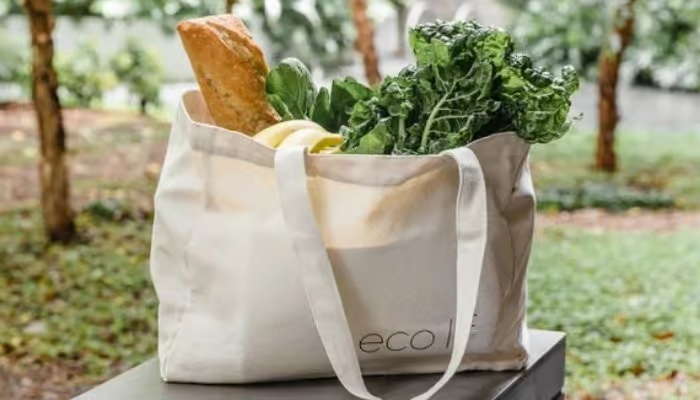
Cotton reusable bags are widely used in retail packaging because they offer a natural appearance, soft texture, and strong sustainability positioning. Compared with synthetic shopping bag materials, cotton creates a more organic and premium retail image, which makes it common in fashion retail, cosmetic packaging, bookstores, organic food stores, and lifestyle branding programs.
Cotton fabric also supports repeated washing and long-term reuse, helping reusable bags stay in circulation longer during daily shopping and commuting. The material works well with screen printing, embroidery, and digital printing, allowing brands to create a cleaner logo presentation and more design-oriented retail packaging.
Canvas Shopping Bags

Canvas shopping bags provide a stronger structure, higher carrying capacity, and a more premium retail appearance than many lightweight reusable bag materials. The thick and dense weave gives canvas better durability during repeated daily use, which makes it suitable for retail packaging programs that require longer product life and stronger load support.
Fashion retailers, bookstores, premium grocery brands, and lifestyle companies often choose canvas reusable bags because the material supports both functionality and brand presentation. Canvas surfaces also hold embroidery, screen printing, woven labels, and custom accessories well, allowing brands to create reusable retail bags that continue functioning beyond the original shopping experience.
RPET Recycled Bags

RPET reusable bags use recycled polyester fiber made from post-consumer plastic bottles. This material helps reduce virgin plastic usage while giving discarded PET bottles a second life in reusable retail packaging. Many retail brands use RPET bags to support sustainability goals and strengthen recycled-content messaging in packaging programs.
RPET fabric provides good durability, lightweight construction, and stable printing performance, which makes it suitable for supermarkets, promotional campaigns, fashion retail, and corporate packaging. It also supports full-color printing, foldable structures, and water-resistant finishes, allowing brands to combine sustainability positioning with practical retail functionality.
Jute Shopping Bags

Jute shopping bags use natural plant-based fiber with a coarse woven texture and strong structural feel. The material creates a more natural and eco-oriented retail appearance, which makes jute common in organic food retail, farmers’ markets, wine packaging, gift packaging, and sustainability-focused branding programs.
Jute fabric supports good strength and stable load support for heavier retail products. Laminated inner coatings can also improve moisture resistance and printing performance when retail packaging requires better durability or cleaner graphic presentation. Many brands choose jute reusable bags because the material communicates a stronger handmade, natural, and environmentally conscious retail image.
Washable Paper Bags

Washable paper bags combine the appearance of paper packaging with the flexibility and reusability of fabric-based materials. The material develops a soft texture and natural wrinkle effect after repeated use, which gives reusable bags a more modern and design-oriented retail appearance.
Fashion retail, cosmetic packaging, bookstores, and lifestyle brands often use washable paper bags in premium retail packaging programs because the material supports minimalist branding and cleaner visual presentation. Washable paper also works well with screen printing, embossing, sewing, and custom structural designs, allowing brands to create reusable packaging that feels closer to a lifestyle accessory than traditional shopping packaging.
How Reusable Bags Support Retail Branding?
Reusable bags support retail branding by keeping the brand visible after the purchase. When customers reuse the same bag for shopping, commuting, travel, or office use, the packaging continues to carry the brand into public spaces while reinforcing visual identity, customer experience, and long-term brand recognition.
Increasing Logo Visibility Through Bag Design
Retail brands increase logo visibility by designing reusable bags with larger printable areas, cleaner graphic layouts, and stronger visual contrast. Tote-style bags with wide front panels allow logos and campaign graphics to remain highly visible during shopping, commuting, and daily use. Many brands also avoid overly complex layouts so logos stay recognizable from longer viewing distances in public environments.
Bag structure also affects how often customers carry the branding outside the store. Long shoulder handles, foldable tote formats, and multi-purpose structures make reusable bags easier to use in different daily settings. Some brands also place logos on multiple panels, repeat brand patterns across the surface, or match stitching and handles with brand colors to keep the logo visible from different angles.
Using Premium Materials and Finishes

Retail brands often use premium materials to improve packaging presentation and strengthen perceived product value during the shopping experience. Heavy canvas, textured non-woven fabrics, washable paper, velvet-touch materials, and higher-GSM reusable fabrics all create a more refined retail appearance than standard lightweight shopping bags. Different finishing methods further strengthen retail branding and visual presentation:
- Foil stamping creates reflective contrast and a more luxury-oriented appearance
- Embroidery adds texture and stronger tactile branding details
- Embossing creates raised logo surfaces that improve visual depth and packaging sophistication
- Debossing produces cleaner recessed branding effects for minimalist retail presentation
- Spot UV helps highlight logos and graphic areas through gloss contrast on matte surfaces
- Matte lamination creates a softer and more premium packaging finish while improving surface protection
Coordinating Bag Colors with Retail Brand Identity
Retail brands often apply the same color systems used in store interiors, product packaging, websites, and advertising campaigns directly to reusable bag design. Many brands match reusable bag colors with Pantone brand standards to maintain visual consistency across different retail touchpoints and production batches.
Color coordination also changes based on retail positioning and campaign strategy. Luxury and beauty retail brands frequently use black, cream, dark green, navy, or muted neutral tones to support a cleaner, premium appearance. Grocery chains and promotional retail programs often use brighter colors with stronger contrast to improve visibility during repeated daily use. Seasonal campaigns also commonly introduce limited-edition color palettes tied to holidays, collaborations, or product launches to create stronger retail recognition and collection appeal.
Developing Seasonal and Limited-Edition Collections

Retail brands increasingly treat reusable bags as active campaign components rather than passive shopping packaging. Brands now develop seasonal reusable bag collections that align with product launches, holiday promotions, collaborations, and retail storytelling strategies.
- Matching bag designs with seasonal campaigns: Brands coordinate reusable bag graphics, textures, and color palettes with holiday launches, product collections, and in-store displays to create a more unified retail presentation.
- Releasing limited-edition reusable bags: Short-run collections, member-exclusive bags, and gift-with-purchase campaigns help create stronger collection appeal and social media visibility.
- Adding local and anniversary-themed graphics: City-specific artwork, anniversary logos, and regional cultural elements help strengthen emotional connection and long-term reuse value.
Challenges Retailers Face When Switching to Reusable Bags
Switching to reusable bags creates practical challenges in cost control, material performance, durability, and regional compliance. A reusable bag must last longer than disposable packaging, but it also needs to meet retail budgets, branding expectations, sustainability claims, and local packaging rules. In this section, we will look at several common challenges businesses face when implementing reusable retail packaging.

Balancing Sustainability Goals with Budget Limits
Balancing sustainability goals with packaging budgets remains one of the biggest challenges in reusable retail packaging. Materials such as organic cotton, recycled RPET fabric, washable paper, and higher-GSM reusable fabrics often cost more than standard disposable packaging materials. Premium finishes, reinforced structures, and stronger durability requirements can further increase overall production costs during large retail orders.
Reusable bags also require longer product life and repeated daily use, which increases material consumption, stitching standards, and printing durability requirements compared with disposable shopping bags. In large retail programs, even small adjustments to fabric thickness, handle construction, or printing methods can create noticeable cost differences across high-volume production.
Managing Material Performance
Different retail environments require very different reusable bag performance standards, which makes “one bag for every retail scenario” difficult to achieve. Grocery and fresh food retail often require moisture resistance, reinforced carrying strength, and better load stability, while fashion and lifestyle packaging place greater attention on fabric texture, print appearance, and visual presentation during repeated use.
Material performance can also change during storage, transportation, and long-term retail use. Some sustainable materials may develop wrinkles, moisture sensitivity, odor retention, or surface deformation under different climate conditions and load pressure. Because of this, retail businesses often need material testing for carrying capacity, stitching durability, print stability, and environmental performance before confirming large reusable bag production programs.
Avoiding Low-Quality Bags That Reduce Reuse Rates
Low-quality reusable bags can quickly undermine both sustainability goals and brand credibility. If handles break, printing fades, or seams split after only a few uses, the bag fails to deliver the long-term reuse that reusable retail packaging is supposed to support. Instead of reducing packaging waste, poorly made reusable bags can create additional disposal problems while weakening consumer trust in sustainability claims.
Because of this, retail businesses need stricter durability standards during reusable bag development. Requirements such as repeated wash testing, weight-bearing tests, handle reinforcement checks, and stitching durability evaluations help ensure bags remain functional through extended daily use. Only reusable bags that stay in circulation long enough can realistically distribute their environmental impact across repeated use and support the sustainability goals behind reusable retail packaging.
Navigating Regional Packaging Regulations and Compliance
Reusable bag regulations vary significantly across different retail markets, which creates additional complexity for global packaging programs. Different regions often apply very different definitions and compliance standards for reusable bags. Some regulations specify minimum material thickness requirements, while others focus on recycled content percentages, chemical restrictions, labeling rules, or packaging waste reduction targets.
This regulatory fragmentation makes compliance management far more complex for global retail programs. A reusable bag approved in one market may still require material adjustments, labeling changes, or testing updates before entering another region. Retail businesses, therefore, need to invest significant effort into compliance review, material verification, and regulatory monitoring to reduce the risk of penalties, shipment delays, or legal issues related to packaging non-compliance.
Partner with Gentle Bags for Custom Reusable Retail Bags
At Gentle Bags, we help retail brands develop reusable packaging solutions that balance sustainability, functionality, branding, and large-scale production efficiency. From supermarkets and fashion retail to promotional campaigns and corporate packaging programs, we support custom reusable bag development across different retail sectors and export markets.
We provide flexible material options, custom printing, structural development, sampling support, and bulk manufacturing for reusable retail bags. Whether you need RPET shopping bags, canvas tote bags, non-woven promotional bags, or premium reusable packaging, our team can support custom development and bulk production based on your retail packaging needs. Contact us to discuss your custom reusable bag project.
Conclusion
Reusable bags are becoming a long-term part of modern retail packaging strategy rather than a short-term sustainability trend. Changes in consumer shopping habits, stricter packaging regulations, sustainability goals, and branding requirements continue driving reusable bag adoption across supermarkets, fashion retail, promotional packaging, e-commerce, and corporate programs.
For retail brands, reusable bags now support far more than packaging reduction. Material selection, functional design, premium customization, and long-term brand visibility all shape how reusable bags perform in retail environments. As the market continues to evolve, reusable bags in retail will remain an important tool for sustainability, customer engagement, and brand development.
FAQs
1. What are the most popular reusable bags in retail stores?
Non-woven PP bags, canvas tote bags, cotton reusable bags, RPET recycled bags, and washable paper bags are among the most widely used reusable retail bags. Different retail sectors choose materials based on packaging goals, durability requirements, branding strategy, and target price range.
2. Can reusable bags be fully customized for retail brands?
Yes. Retail brands commonly customize reusable bags through material selection, bag size, printing methods, logo placement, handle structures, seasonal graphics, woven labels, embroidery, and custom accessories. Many businesses also develop private-label reusable bag collections aligned with retail campaigns and brand identity systems.
3. What affects the durability of reusable shopping bags?
Material thickness, stitching quality, handle reinforcement, printing durability, and overall bag structure all affect reusable bag lifespan. Retail businesses often perform load testing, wash testing, and durability evaluations to ensure reusable bags remain functional during repeated daily use.
4. Are reusable bags more cost-effective than plastic bags?
Reusable bags usually have higher unit costs than disposable plastic bags, but they provide longer product life, repeated brand exposure, and lower packaging waste over time. Many retail brands also use reusable bags to support sustainability goals and improve long-term retail branding value.
5. Are recycled reusable bags suitable for premium retail brands?
Yes. Many premium retail brands now use recycled materials such as RPET fabric in reusable retail packaging. Improved material quality, printing technology, and finishing methods allow recycled reusable bags to support both sustainability positioning and premium retail presentation.