The best fabric for tote bags depends on the bag’s intended use, required strength, desired appearance, and customization needs.
This article compares the main tote bag fabrics, their best uses, key specifications, and performance differences. It also explains natural versus synthetic materials, compatibility with customization, care, production practicality, and current material trends.
What Fabrics Are Commonly Used for Tote Bags?
Tote bags can be made from a wide range of fabrics, and each one affects the bag’s strength, weight, structure, appearance, care requirements, and customization options. The sections below look at the most common tote bag fabrics, including cotton and canvas, polyester, nylon, RPET, PU leather, and blended materials.
Cotton
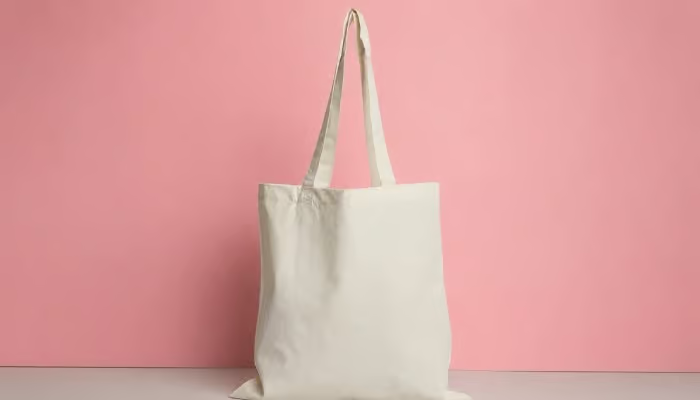
Cotton is the classic tote bag material: soft, breathable, and easy to print on. It’s a natural fiber woven into a lightweight, plain-weave fabric that takes screen printing, embroidery, and heat transfers exceptionally well, which is why it’s the go-to for promotional giveaways, retail totes, and everyday grocery bags.
Cotton is biodegradable and, when sourced as organic or recycled cotton, appeals to brands leaning into sustainability messaging. IKEA‘s shopping and tote bag line leans on this appeal directly, positioning organic cotton as its go-to “eco-friendly alternative” material for everyday carry bags. Cotton’s main drawback is durability: standard cotton totes are lighter-duty than canvas and can wear thin or stretch out of shape with heavy or repeated use, especially at lower GSM weights.
Canvas

As a heavy-duty cousin to standard cotton, canvas provides the firm structure and reliable load support that lighter fabrics often cannot match. This material typically features a dense weave and can be made from pure cotton or blended with polyester or linen. The result is a more substantial hand feel and a cleaner, more structured silhouette for premium canvas totes.
The weight of this fabric is conventionally expressed in ounces, with standard market specifications including 6 oz, 8 oz, 12 oz, and 16 oz. As the material weight increases, the bag naturally gains better body alongside enhanced resistance to tearing and abrasion, though final performance always depends on the specific weave density and construction.
The stable surface also handles screen printing, embroidery, woven labels, and patches well. On the other hand, a polyester-blended canvas can be used to improve dimensional stability and minimize moisture absorption. Because the fabric maintains its premium retail appearance even under heavy loads, medium- to heavyweight options are perfect for book totes, heavy-duty grocery bags, and fashion accessories.
Jute

Jute is a natural bast fiber with a coarse, rustic texture and a distinctive earthy color. It’s biodegradable, inexpensive to produce, and strongly associated with eco-friendly branding, making it popular for market totes, wine bags, and promotional giveaways with a “natural” aesthetic.
Jute is stiff and less flexible than cotton or canvas, so it’s better suited to structured totes than soft, foldable ones. It’s also more prone to fraying at cut edges and doesn’t hold fine print detail as well as smoother fabrics, though it works nicely with simple one- or two-color designs.
Hemp
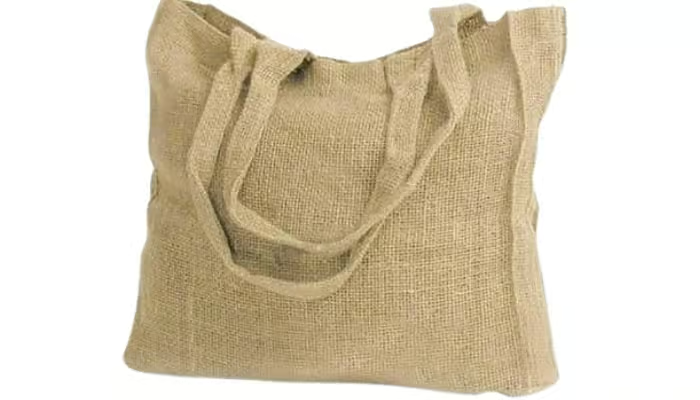
A hemp tote has a dry, slightly coarse texture and a relaxed natural appearance that softens with use. The fiber offers good tensile strength, so hemp can support reusable shopping bags, lifestyle totes, and retail merchandise without relying on a heavy or overly rigid construction.
Compared with jute, hemp usually feels finer and more flexible, while still keeping a visible natural texture. It absorbs moisture and does not provide the water resistance of nylon or polyester, but denser weaves improve shape retention and everyday durability.
Printing works best on smoother hemp constructions, while embroidery can add branding without depending on a perfectly even surface. Hemp is a strong option for tote bags that need a natural look, repeated-use durability, and a softer hand feel than coarse jute.
Denim

Denim brings a casual, fashion-forward look to tote bags, thanks to its twill weave and familiar indigo dye. It’s heavy and durable, similar in toughness to midweight canvas, and often made from recycled or upcycled denim scraps, which adds a sustainability angle. Denim totes are popular for lifestyle and streetwear-adjacent branding. The dense weave and dark color make screen printing viable but less vibrant than on lighter fabrics, and the fabric’s stiffness means it’s better suited to structured, boxier bag silhouettes than soft, slouchy ones.
Polyester

Polyester is a synthetic fabric prized for being lightweight, water-resistant, quick-drying, and highly colorfast, which is why polyester tote bags are a common pick for outdoor markets, events, and travel. It holds vibrant, sharp prints well, especially with sublimation printing, which bonds dye directly into the synthetic fibers and is a strong choice for totes that need to withstand outdoor use, spills, or frequent washing.
Polyester is generally more affordable than natural fibers at scale and resists wrinkling and shrinking, which is part of why polyester tote bags remain a default option for high-volume event and promotional orders. On the downside, it’s petroleum-based and not biodegradable, which can be a mismatch for brands emphasizing sustainability, and it lacks the natural, tactile feel that cotton or canvas offers.
Nylon

Nylon is prized for its strength-to-weight ratio, tear resistance, and water resistance, making it a common choice for packable, foldable totes and bags meant for travel or active use. It’s more abrasion-resistant than polyester and has a slightly glossy, technical look that suits sportier or utilitarian designs.
Nike frequently uses nylon for its promotional and sports-equipment totes, leaning on the fabric’s toughness and lightweight feel for gym and gear bags. However, nylon totes don’t print as cleanly as polyester or cotton. Sublimation and dye-sub work reasonably well, but fine detail and soft-touch inks can be trickier.
RPET

RPET totes deliver the same performance characteristics as virgin polyester: lightweight, durable, water-resistant, and print-friendly, while offering a genuine recycled-content sustainability story. It has become one of the fastest-growing choices for eco-conscious retail and promotional totes because it lets brands combine synthetic durability with a “made from recycled bottles” message that resonates with environmentally minded customers.
Everlane has built much of its bag line around this idea, using GRS-certified recycled nylon and polyester across totes like the ReNew Transit Tote as part of a stated goal to cut virgin plastic from its supply chain. RPET fabric quality varies by supplier, so it’s worth confirming GSM and weave consistency before ordering in bulk.
PU Leather

PU leather is a synthetic leather alternative that gives totes a polished, upscale look without the cost or animal-derived materials of genuine leather. It’s smooth, water-resistant, easy to wipe clean, and holds structured shapes well, making it popular for fashion totes, corporate gifts, and premium retail bags.
Telfar‘s Shopping Bag is made from vegan leather, and that material choice has been central to the brand’s identity as a stylish, accessible alternative to genuine-leather designer totes. PU leather tote bags don’t take screen printing or embroidery the way woven fabrics do; designs are usually applied via debossing, foil stamping, or laser engraving instead. Over time and with heavy flexing, PU leather can crack or peel, so it’s better suited to totes that won’t be stuffed and unstuffed constantly.
Alternative Sustainable Fabrics
When sustainability carries more weight in a tote bag brief, organic cotton, recycled cotton, and selected regenerated cellulose fibers such as lyocell can expand the material options beyond conventional cotton or virgin synthetics. Organic cotton focuses on how the fiber is grown, while recycled cotton reduces demand for virgin fiber by reprocessing textile waste. Lyocell uses regenerated cellulose and can offer a smoother hand feel than hemp or jute.
These materials appeal to brands that want a distinctive, conversation-starting sustainability angle and are often used for limited-run or premium product lines. They tend to come with higher costs, longer sourcing lead times, and more variability in supply than established fabrics like cotton or polyester, so they suit smaller, story-driven runs better than high-volume production.
Fabric Blends
Blended fabrics combine two or more fibers to balance softness, strength, wrinkle resistance, moisture handling, and cost. Cotton-polyester blends are common in tote bags, combining cotton’s natural feel and printability with polyester’s shape retention and faster drying. More cotton generally creates a softer surface, while more polyester can reduce shrinkage and improve stability.
For custom tote bags, blends offer a practical middle ground when one fiber cannot meet every requirement. They work well for retail merchandise, everyday totes, and branded programs that need a balance of texture, durability, and production cost. The main tradeoff is that mixed fibers can complicate recycling and may respond differently to printing or heat treatments depending on the blend ratio.
Tote Bag Fabric Comparison Table
Each tote bag fabric brings a different mix of durability, structure, weight, moisture resistance, printability, and cost. The best choice depends on what the bag needs to carry, how often it will be reused, and the visual or branding result you want.
| Fabric | Feel & Shape | Water Handling | Branding | Best Uses | Main Limitation |
| Cotton | Soft, flexible | Low | Print, embroidery | Everyday, retail | Wrinkles, absorbs moisture |
| Canvas | Firm, structured | Low–Medium | Print, embroidery, patches | Grocery, books, premium retail | Heavier and bulkier |
| Jute | Coarse, rigid | Low | Simple prints, labels | Shopping, gift bags | Rough surface |
| Hemp | Textured, flexible | Low | Print, embroidery | Reusable, lifestyle | Less smooth |
| Denim | Dense, structured | Low | Embroidery, patches, print | Fashion, retail | May fade or transfer color |
| Polyester | Smooth, lightweight | Medium–High | Sublimation, transfer, print | Travel, reusable, branded | Less natural hand feel |
| Nylon | Light, flexible | Medium–High | Print, heat transfer | Foldable, outdoor, travel | Fine printing can be harder |
| RPET | Smooth, varies by weave | Medium–High | Sublimation, transfer, print | Recycled-content, travel | Claims need verification |
| PU Leather | Smooth, structured | High | Embossing, plates, transfer | Fashion, premium retail | May crack or peel over time |
Natural vs Synthetic Fabrics for Tote Bags

Natural fabrics such as cotton, hemp, jute, and many canvas constructions offer a softer, more tactile surface, while synthetic options such as polyester, nylon, RPET, and PU leather provide better moisture handling, dimensional stability, and lightweight performance. Neither group is automatically better; the right choice depends on the tote’s intended use and product positioning.
Natural fibers usually work better when texture, breathability, print feel, and a more organic appearance matter. Synthetic fabrics make more sense for foldable, travel, outdoor, or frequently cleaned totes, especially when low moisture absorption and abrasion resistance are priorities. Canvas sits between these categories because it describes a fabric construction and can use cotton, polyester, or blended yarns.
Sustainability also needs a closer look. Natural does not automatically mean lower impact, and synthetic does not automatically mean unsuitable for sustainability-led products. Organic cotton, hemp, and RPET each address different sourcing goals, while durability, reuse, coatings, fiber blends, and end-of-life options also affect the overall material choice.
How to Choose the Best Fabric for Tote Bags?
The best fabric depends on what the tote needs to carry, where it will be used, how it should look, and how it will be customized. A practical selection process starts with use and performance, then moves to fabric weight, construction, branding, care, and production cost. This prevents a material from looking suitable on paper but creating problems during sampling or bulk production.

Start With the Tote Bag’s Intended Use
The intended use should define the first material shortlist. A lightweight retail tote, a grocery bag, and a travel tote face very different loads, handling conditions, and appearance expectations, so they should not start with the same fabric specification.
- Daily and Retail: Cotton, medium-weight canvas, denim, and PU leather work well when comfort, appearance, and branding quality matter more than extreme weather resistance.
- Shopping and Higher-Load Use: Heavier canvas, jute, and dense polyester provide more body and support for groceries, books, and other repeated carrying needs.
- Travel, Outdoor, and Packable Designs: Polyester and nylon keep weight down, dry quickly, and handle moisture better than untreated natural fabrics.
- Branded and Fashion-Led Products: Canvas, denim, PU leather, and RPET give brands more freedom to build texture, color, surface detail, and a stronger product identity.
Evaluate the Required Performance
Once the use is clear, the fabric should match the performance the tote actually needs. Canvas and denim add structure and load support, while polyester and nylon work better when lower weight, abrasion resistance, and moisture handling matter more.
- Heavy Loads: Medium- to heavyweight canvas and dense denim resist stretching and keep their shape better under repeated carrying.
- Abrasion Resistance: Nylon and polyester tolerate frequent rubbing well, which makes them practical for travel, outdoor, and active-use totes.
- Wet Conditions: Polyester, nylon, and coated fabrics dry faster and handle light rain or spills better than untreated cotton, hemp, or jute.
- Easy Packing: Lightweight polyester and nylon fold into a smaller volume than heavy canvas, denim, or PU leather.
- Structured Silhouette: Heavy canvas, denim, PU leather, and firmer synthetic fabrics hold a cleaner shape, while cotton creates a softer and more relaxed profile.
Choose the Right Fabric Weight and Construction

After selecting the material family, define the fabric specification that gives the tote the right balance of structure, flexibility, and weight. Two bags made from the same fiber can perform very differently when GSM, ounce weight, denier, weave density, or coating changes.
- Cotton and Canvas Weights: Lighter cotton and 6–8 oz canvas create softer, easier-to-fold totes, while 12–16 oz canvas gives the bag more body and a more substantial retail feel.
- Synthetic Denier: Polyester and nylon may use specifications such as 210D, 420D, or 600D. Higher denier usually adds yarn thickness and structure, but weave and coating still affect the final strength.
- Weave Structure and Density: Plain weave gives an even surface, twill adds diagonal texture and drape, and ripstop reinforces tear-prone areas. Denser weaves feel firmer and hold shape better, while looser weaves stay softer and more flexible.
- Coated Constructions: PU or water-repellent finishes can improve moisture resistance and stiffness, especially on polyester or nylon, but they also change hand feel and printing behavior.
Match the Fabric With Your Branding Method
Most tote bag fabrics support several branding methods, but the final visual effect changes with fiber type, surface texture, and heat sensitivity. The main goal is to understand which combinations create limits in color, detail, texture, or dimensional stability.
- Screen Printing: Delivers solid, opaque colors with clean edges on most fabrics; coarse jute or hemp can reduce fine-detail clarity.
- Sublimation: Gives vivid full-color graphics, smooth gradients, and no raised print feel; it performs best on light-colored, high-polyester fabrics.
- Heat Transfer: Handles detailed multi-color artwork with crisp edges and a smooth finish; excessive heat can damage coated nylon, PU leather, or other heat-sensitive surfaces.
- Embroidery: Adds raised texture and strong dimensional definition; lightweight or loose fabrics may need backing to prevent puckering.
- Patches and Labels: Bring extra texture, depth, and a more constructed branding effect; thin fabrics may need reinforcement for heavier rubber patches or metal plates.
- Embossing and Debossing: Forms subtle raised or recessed branding without added print color; PU leather and similar moldable surfaces give the best result.
Check Care and Long-Term Use
Care requirements affect whether a tote keeps its shape, color, and surface finish after repeated use. Polyester and nylon are easier to maintain in wet or high-use conditions, while cotton, jute, denim, and PU leather each need more specific care.
- Cotton: Handles regular washing, but untreated fabric may shrink, wrinkle, or fade over time.
- Canvas: Tolerates repeated use well, although heavy cotton canvas can soften and lose some stiffness after washing.
- Jute: Performs poorly with soaking or frequent washing and may distort when kept damp.
- Hemp: Softens gradually with use and washing but still absorbs moisture like other natural fibers.
- Denim: Holds up well to daily wear, though dark indigo may fade or transfer color.
- Polyester: Dries quickly, resists shrinking, and usually retains color well after repeated cleaning.
- Nylon: Needs little maintenance, but some coatings can wear down through repeated washing or abrasion.
- PU Leather: Usually requires wipe cleaning; lower-grade surface coatings may crack or peel as they age.
Balance Cost With Production Practicality
Fabric cost depends on more than the base material price. Cotton and polyester usually offer broader stock availability and more predictable repeat production, while heavier canvas increases both material consumption and shipping weight. Jute and hemp may show more batch-to-batch variation in texture or color, so tighter sample approval can be important for branded programs.
Special finishes and material positioning also affect cost. Certified RPET can add documentation and traceability requirements, denim washes introduce extra processing, and PU leather pricing changes with thickness, backing, surface finish, and abrasion performance.
The lowest-priced fabric is not always the most practical choice for bulk production. For ongoing tote programs, consistent color, stable sourcing, repeatable finishing, workable MOQ levels, and reliable reordering often matter more than a small saving on the first order.
Current Trends in Tote Bag Material Selection
Tote bag material trends are moving beyond basic cotton and canvas toward more tactile, seasonal, and visually distinctive surfaces. Corduroy, mesh, and raffia give brands more ways to differentiate texture, structure, and visual style, making the material itself a stronger part of the finished tote design.
Corduroy

Corduroy adds a soft ribbed texture and retro character that immediately separates a tote from flat-woven cotton or canvas. Fine-wale corduroy gives a cleaner, more refined surface, while wider ribs create a stronger casual or vintage look. The tactile finish works particularly well for fashion collections, seasonal retail lines, and lifestyle totes where the fabric itself contributes to the visual identity.
Mesh

Mesh tote bags are lightweight, breathable, and visually open, which makes them well suited to beach bags, produce totes, sports styles, and summer collections. Mesh can range from fine, technical constructions to larger net-like openings depending on the yarn thickness and hole size. For heavier contents, reinforced edges, handles, and stress points help the open structure maintain its shape and carrying strength.
Raffia

Raffia gives tote bags a dry, straw-like texture and strong warm-weather character. Woven raffia works especially well with structured shapes, leather or PU leather trims, and simple branding, which is why it often appears in resort, vacation, and seasonal retail collections. Its distinctive surface makes the material part of the design, but repeated moisture exposure and rough handling require more care than with polyester or canvas.
Work with Gentle Bags for Your Custom Tote Bags
Gentle Bags works with brands to select the right fabric weight, weave, and finish for their specific use case, then carries that choice through to a finished custom tote, whether the goal is branded merchandise, a durable everyday retail tote, or a fashion-led collection. If you’re weighing fabric options for an upcoming order, contact our team to help match the material to your durability needs, print method, and sustainability goals before you commit to production.
Conclusion
Cotton and canvas offer a natural feel and strong printability; polyester and nylon handle moisture and repeated use well, while jute, hemp, denim, RPET, PU leather, and other materials serve more specific visual or performance goals.
The better choice comes from matching the fabric to the tote’s intended use, required structure, branding method, care needs, and production conditions. Material type is only the starting point; weight, weave, finish, and construction ultimately determine how the finished tote will look, feel, and perform.
FAQs
1. Is canvas or cotton better for tote bags?
Canvas is generally the more durable option, thanks to its heavier weight and tighter weave, making it better suited for bags that need to carry real loads regularly. Standard cotton is lighter, softer, and often more affordable, making it a good fit for lighter-duty or purely promotional totes.
2. Which tote bag fabric is best for printing and customization?
Cotton and canvas offer some of the broadest customization options, including screen printing, heat transfer, embroidery, patches, and woven labels. Polyester and RPET are better choices for sublimation and vivid full-color graphics. Coarse jute or hemp can reduce fine-detail clarity, while PU leather works well with embossing, debossing, and logo plates.
3. Which fabrics are best for water-resistant tote bags?
Polyester, nylon, RPET, and PU leather all offer strong water resistance compared to natural fabrics. Untreated cotton, canvas, jute, and hemp absorb moisture more readily, though canvas and hemp can be treated or coated to improve water resistance if needed.
4. Are tote bags washable, and which fabrics are easiest to care for?
Cotton, canvas, hemp, and denim totes are generally machine washable and tend to soften rather than degrade with repeated washing. Polyester, nylon, and RPET are also washable and dry quickly, while PU leather should typically be spot-cleaned rather than machine-washed to avoid cracking or peeling the material.