
An insulated bag helps slow temperature change during transport. Many businesses use insulated bags for food delivery, grocery retail, outdoor promotions, wine packaging, and branded merchandise. However, buyers often compare bags only by appearance or price. This can lead to weak insulation, poor lining quality, difficult cleaning, or unstable bulk production.
This guide explains the basic function of insulated bags, the materials that affect their performance, and the key details to review before custom or wholesale orders. The goal is to help you choose insulated bags with better insulation performance, durability, and brand value.
What Is an Insulated Bag and Why Is It Important?

An insulated bag is designed to slow temperature change and help items stay hot or cold for a limited time. It is the broadest term for bags with an insulation layer. A thermal bag usually refers to the same type of product, but it emphasizes heat control. A cooler bag is more specific. It is a type of insulated bag mainly designed for cold retention.
| Term | Main Meaning | Common Business Use | Key Focus |
| Insulated bag | A broad bag category for hot or cold retention | Lunch bags, grocery bags, delivery bags, wine bags, cooler totes | General temperature retention |
| Thermal bag | A bag that highlights thermal protection | Food delivery, catering, takeaway, meal transport | Keeping food hot or cold during transport |
| Cooler bag | A soft insulated bag is mainly used for cooling | Drinks, frozen food, outdoor events, and grocery retail | Cold retention, often with ice packs |
For food-related products, temperature control is especially important. The FDA recommends keeping cold food at 40°F / 4°C or below and placing it in a cooler with ice or frozen gel packs during outdoor serving or transport. This is why insulated bags matter in movement or short-term holding. They help reduce temperature changes, which can affect product condition, freshness, presentation, and the final delivery experience.
For businesses, insulated bags also add practical value to packaging. They help protect temperature-sensitive products while giving brands a reusable item that customers may keep using. This makes the bag useful not only during the first delivery or sale, but also after the product reaches the customer.
How Long Can an Insulated Bag Keep Food Hot or Cold?
An insulated bag can usually keep food hot or cold for about 2 to 6 hours. Lightweight insulated bags often hold temperature for 1 to 3 hours, while thicker cooler bags or delivery bags may reach 4 to 8 hours under better packing conditions. With ice packs, gel packs, or hot packs, some heavy-duty bags may support 6 to 12 hours.
The final holding time depends on several factors:
- Foam thickness: Thicker foam slows temperature change more effectively, but it also increases weight and packing volume.
- Lining type: Aluminum foil or PEVA lining can help reduce heat movement
- Closure tightness: A zipper, flap, or sealed opening helps reduce air exchange.
- Outside temperature: Direct sunlight, hot weather, or very cold outdoor conditions can shorten stable holding time.
- Opening frequency: Every opening releases warm or cold air and reduces performance.
- Packing volume: A full bag usually keeps the temperature more stable than a half-empty bag with too much air space.
Ice packs or hot packs can extend the holding time, but they do not make temperature control unlimited. Cold items should be pre-chilled, and hot items should be packed while still hot. The thermal bag should also stay closed as much as possible during transport.
How Does an Insulated Bag Work?
An insulated bag works by reducing heat movement between the inside of the bag and the outside environment. It does not create cold or heat by itself. Instead, it uses foam insulation, a reflective lining, and a tight-closure design to slow temperature changes and help hot or cold products remain stable for a limited time.

Foam Layer Reduces Heat Transfer
The foam layer reduces heat transfer by adding a low-conductivity barrier inside the bag wall. Foam is not a solid, dense sheet. It contains many small air pockets, and air does not transfer heat as quickly as metal, water, or compact plastic. These trapped air pockets slow the movement of heat from one side of the bag to the other.
When the bag holds cold items, the foam layer slows down outside heat from entering the inner space. When the bag holds hot items, the same foam layer slows heat from escaping outward. The foam does not completely stop heat transfer, but it reduces the rate of temperature change. This is the main reason insulated bags can keep contents more stable for a limited time.
Reflective Lining Blocks Radiant Heat
Reflective lining helps because shiny surfaces absorb less heat than dark or dull surfaces. Many insulated bags use aluminum foil film or a similar reflective material inside the bag. When outside heat reaches the bag wall, this shiny layer reflects part of that heat away instead of letting the inner lining absorb it quickly.
This matters most when the bag carries cold items. If the inner lining absorbs heat too quickly, the inside temperature rises faster. A reflective lining does not create a cooling effect, but it helps reduce heat gain inside the bag. Foam slows heat moving through the bag wall, while reflective lining reduces heat absorbed by the inner surface. Together, they help the insulated cooler bag keep the inside temperature more stable for a limited time.
Tight Closure Reduces Air Exchange
A tight closure reduces temperature loss by controlling the air that moves in and out of the bag. Airflow is one of the fastest ways for temperature to change. When a cold insulated bag has gaps around the opening, warmer outside air enters the bag and replaces the colder air inside. When the bag holds hot items, warm inside air escapes through the same gaps.
This is why the opening design affects insulation performance. A zipper, flap cover, Velcro closure, roll-top opening, or fitted lid helps keep the inside air from mixing too quickly with outside air. The closure does not provide insulation by itself, but it helps the foam layer and reflective lining work longer by reducing air movement. A loose or open top bag will usually lose temperature faster than a fully closed insulated bag.
What Are Insulated Bags Made Of?
Insulated bags are usually made from outer fabric, foam insulation, inner lining, and reinforcement details. Each layer has a different role. The outer fabric protects the bag, the foam slows heat transfer, the lining supports cleaning and temperature retention, and reinforcement details improve strength in daily use.
Outer Fabric

Outer fabric forms the visible and protective shell of an insulated bag. It affects appearance, abrasion resistance, water resistance, printing quality, and overall hand feel. Common outer fabric options include:
- Polyester: Polyester insulated bags offer good cost control, printability, and basic wear resistance for retail promotions, corporate gifts, and large-volume marketing campaigns.
- Nylon: Offers a smoother surface and better abrasion resistance. Nylon insulated bags have a technical look and durability for daily use.
- Oxford fabric: Oxford insulated bags provide a strong woven surface, better shape support, and improved abrasion resistance for grocery retail, catering, and heavy-use commercial projects.
- Cotton canvas: Creates a natural and textured appearance. Cotton canvas insulated bags suit retail projects that need a softer lifestyle look.
- RPET fabric: Uses recycled polyester material and supports reusable bag programs. It is useful when buyers want a more sustainable insulated bag option.
Foam Insulation

Foam insulation sits between the outer fabric and the inner lining, where it forms the main thermal buffer in the insulated bag wall. Materials such as EPE foam, PE foam, and sponge foam are often used because their small air-filled spaces help slow temperature movement while keeping the bag soft and flexible.
Foam thickness and density affect the final insulation result. A thinner foam layer keeps the insulated bag lighter and easier to fold. A thicker foam layer gives better thermal resistance and shape support, but it can increase bulk and shipping volume. The right foam should match the expected holding time and bag structure.
Inner Lining

The inner lining is the material that faces the contents inside the insulated bag. Many insulated bags use aluminum foil film, PEVA, waterproof film, or food-contact lining materials. This layer helps reflect heat, resist moisture, reduce leakage, and make the inside easier to wipe clean.
For food-related insulated bags, the lining should also support low odor, easy cleaning, and safe contact with packaged food. In the EU market, food contact materials must follow Regulation (EC) No 1935/2004, which sets general safety and inertness principles for materials intended to come into contact with food. This makes lining selection especially important when bags are used for food delivery, grocery, lunch, or catering projects.
Reinforcement Details

Reinforcement details help the insulated bag hold weight and keep its shape. They are not the main insulation layer, but they affect durability and long-term use. Common reinforcement details include cross-stitching on handles, bar-tack stitching at stress points, double stitching on side seams, reinforced edge binding, bottom board support, and extra webbing under handles.
These details matter because insulated bags often carry heavier items than normal shopping bags. Drinks, meal boxes, frozen products, and bottles can put stress on handles, seams, corners, and the bottom panel. Strong reinforcement helps reduce tearing, deformation, and early failure during repeated use.
Common Business Uses of Insulated Bags
Insulated bags support many business projects because they combine temperature retention, carrying convenience, and branding space. Their value changes by industry, so each project should match the bag structure with the product type, use frequency, and customer experience goal.
Food Delivery and Catering

Food delivery platforms such as Uber Eats and DoorDash, as well as restaurants, pizza shops, takeaway brands, central kitchens, and catering services, often need thermal food delivery bags for short-distance meal transport. These bags help reduce heat loss, protect food presentation, and support repeated daily delivery.
This use requires more than basic insulation. The bag may need a wide opening for fast loading, an easy-clean lining for spills, reinforced handles for repeated carrying, and durable closures for frequent opening. For high-frequency food service, durability and cleaning convenience matter as much as temperature retention.
Grocery and Fresh Food Retail

In grocery and fresh food retail, cooler bags help protect chilled, frozen, or temperature-sensitive products after checkout or during local delivery. Supermarkets, fresh food brands, grocery delivery platforms, and farm product programs often need reusable insulated bags that can hold mixed products without losing shape too quickly.
These grocery cooler bags usually need a large opening, stable bottom support, moisture-resistant lining, and stronger handles. Meal-kit brands such as HelloFresh also show why temperature-related packaging matters in fresh food delivery. Its packaging information mentions different insulating liners, gel packs, and recyclable insulation materials used to help keep ingredients fresh during shipment.
Outdoor and Event Promotions

Outdoor events and promotional campaigns often need bags that are both practical and easy to brand. Beverage campaigns, sports events, camping promotions, trade shows, and seasonal marketing programs can use cooler-style bags to carry drinks, snacks, or event items while keeping the logo clearly visible. Diet Coke’s promotion shows that cooler bags can work as campaign gifts for chilled drink-related marketing.
The design focus is usually portability, visual appeal, and efficient bulk distribution. For promotional cooler bags, brands often need lightweight materials, comfortable handles, easy-open closures, clear logo display, and enough insulation for short-term outdoor use. Compared with heavy-duty outdoor coolers, promotional insulated bags usually focus more on cost control, brand exposure, and convenient carrying.
Corporate Gifts and Branded Merchandise

Corporate gift and branded merchandise projects need products that people can keep using after the event or campaign ends. Insulated lunch bags, small cooler bags, and insulated tote bags can work well for employee gifts, school programs, membership gifts, wellness campaigns, and brand merchandise. For temperature-sensitive gifts, such as GODIVA’s corporate chocolate gifts, an insulated cooler bag can be a practical packaging choice.
In this use, the bag must look clean and feel practical. A visible logo, stable color matching, smooth stitching, and suitable packaging can improve the final impression. The stronger the daily-use value, the longer the brand stays visible.
Wine and Gift Packaging

Wine and gift packaging needs more attention to structure and presentation. Wineries, beverage brands, hotels, gift suppliers, and seasonal retail programs may need cooler wine bags for single-bottle, double-bottle, or multi-bottle packaging. Such as Veuve Clicquot’s Ice Jacket, which turns bottle cooling into a reusable branded packaging feature.
This application depends strongly on structure and presentation. The cooler bags may need bottle dividers, reinforced handles, a stable base, and a refined outer surface to protect bottles during carrying. A gift bag should not only reduce temperature change, but also make the product feel more complete and gift-ready.
Key Considerations When Choosing the Right Insulated Bag
The right insulated bag should match the product, carrying condition, temperature-retention need, and branding goal. You should not judge the bag only by appearance. A good choice balances size, insulation, lining quality, carrying strength, customization, and compliance needs.

Size and Capacity
Size and capacity affect both packing space and temperature stability. For insulated bags, you should check the inner usable space, not only the outside dimensions. Foam insulation and lining take up part of the internal space, so the real capacity may be smaller than the bag looks.
Common capacity and typical use cases include:
- 23 × 15 × 18 cm to 25 × 18 × 25 cm: usually holds about 6L–10L, making it suitable for small meals, drink samples, light retail gifts, or short promotional use.
- 36 × 25 × 30 cm to 38 × 30 × 36 cm: provides around 15L–25L capacity and works well for daily food service, grocery retail, beverage promotions, or reusable shopping programs.
- 51 × 33 × 33 cm to 56 × 36 × 36 cm: Bags in this range can usually support about 30L–40L, giving more space for catering, group meals, outdoor campaigns, or fresh food transport.
- 58 × 33 × 38 cm or larger: This larger structure can reach about 45L–50L+ capacity, which fits bulk delivery, event supply, commercial transport, or large cooler bag projects.
Insulation Performance
Insulation performance means the bag’s ability to slow temperature change for a specific time. Lightweight insulated bags may use 2–3 mm foam for short holding needs, while standard lunch or grocery bags often use 3–5 mm foam. Cooler bags, delivery bags, or higher-performance designs may use 5–8 mm foam or thicker.
Foam thickness gives the bag its basic insulation level, but real performance also depends on whether the lining, closure, and seams reduce heat movement effectively. A thicker foam layer cannot perform well if air leaks through the opening or heat escapes from weak seams. So insulation performance should be judged by the full insulated bag structure, not foam thickness alone.
Lining and Leak Resistance
The lining affects insulation, cleaning, moisture control, and leak resistance. Aluminum foil film helps reflect heat and is often used when the insulated bag needs a clean thermal look. PEVA and waterproof film are softer and more flexible, which makes them easier to wipe after condensation, spills, or food contact.
For projects that may involve drinks, condensation, melted ice, sauces, or fresh food packaging, you should confirm the lining material, lining thickness, and leak-control design before sampling. At the selection stage, the focus is not on testing leakage yet. The focus is on choosing a lining structure that matches the product and use environment.
Carrying Comfort
Carrying comfort should match the bag size, loaded weight, and carrying distance. Small insulated bags can use short-hand straps or simple carry handles, but medium or large insulated bags often need wider webbing handles, padded grips, adjustable shoulder straps, or backpack straps to reduce hand and shoulder pressure.
The expected load also affects carrying comfort. A 6L–10L insulated bag may feel comfortable with simple handles, while a 30L–50L+ cooler or delivery bag can feel heavy if the strap is too narrow or poorly positioned. A comfortable carrying design should keep the bag balanced, reduce pressure points, and make movement easier during real use.
Branding and Customization Needs
Branding and customization should support the insulated bag’s marketing goal. A promotional order, retail product line, premium gift project, and long-term use program may all need different materials, logo methods, and packaging styles.
- Promotional brands: Large-volume campaigns often work best with polyester or non-woven fabric. These materials help control cost, while screen printing or heat transfer printing keeps the logo clear and visible.
- Retail brands: Oxford fabric, polyester, or RPET fabric can give insulated bags a more finished product look. Hang tags, barcode labels, woven labels, and retail-ready packaging help support shelf display or online sales.
- Premium gift brands: Cotton canvas, high-density Oxford fabric, or refined polyester can create a higher-value feel. Embroidery, rubber patches, custom zipper pullers, and woven labels add more detail to the branded design.
- Long-term use brands: Nylon, Oxford fabric, or durable polyester are better for insulated bags designed for repeated use. Heat transfer printing, stitched labels, or woven labels can help the branding stay clear for longer.
Eco-Friendly Materials and Certifications
Eco-friendly insulated bags can use lower-impact material options such as RPET fabric, recycled polyester, reusable structures, or PVC-free lining. For recycled fabrics, you can ask whether the material follows standards such as the GRS or RCS, which Textile Exchange describes as standards for recycled material certification and chain-of-custody claims.
For insulated bags sold into the EU market, buyers may also need REACH-related documents for fabrics, coatings, linings, and printing materials, especially when chemical safety compliance is part of the purchasing requirement.
Common Mistakes to Avoid When Buying Insulated Bags in Bulk
Bulk insulated bag orders need clear planning because small specification issues can become large production problems. You should look beyond the sample appearance and check cost structure, specification clarity, lead time, and supplier support before confirming mass production.

Focusing Only on Unit Price
A low unit price does not always mean a lower project cost. If the foam is too thin, the lining cracks, the zipper fails, or the handle feels weak, the final bag may create complaints, returns, or extra replacement costs.
You should also consider packing volume and shipping cost. Insulated bags are often bulkier than normal fabric bags because of the foam layer, lining, and structured shape. Material quality, insulation performance, packing method, carton size, shipping volume, and expected use life all affect the real cost of a bulk order.
Missing Clear Specifications
Unclear specifications can cause mistakes in custom insulated bag production, especially when the order involves different sizes, materials, linings, logo methods, and packaging requirements. A sample may look acceptable, but bulk insulated bags still need written details that both buyer and supplier can follow.
For wholesale insulated bags, the specification sheet should confirm size and capacity, foam thickness, outer fabric, inner lining, logo and color standard, packing method, carton quantity, and inspection requirements. Clear specifications help turn an approved insulated bag sample into a stable bulk production.
Underestimating Lead Time
Insulated bag production is not only sewing and packing. A custom order may include material sourcing, logo artwork confirmation, sample development, sample revision, bulk production, quality inspection, carton packing, and international shipping.
You should plan extra time for seasonal campaigns, retail launches, holiday gifts, or reorder projects. If the schedule is too tight, there may be less time for sample testing, color correction, packaging confirmation, or final inspection before shipment.
Overlooking Supplier Support
Some buyers focus only on price and sample appearance, but supplier support can affect the whole bulk order. If the supplier does not review artwork, confirm specifications, update production status, or respond quickly to problems, small issues can turn into color errors, logo mistakes, delayed shipment, or inconsistent bulk insulated bags.
This is especially important for custom insulated bag orders because many details need coordination before production. You should choose a supplier that can support material confirmation, sample revision, production tracking, packing details, and repeat orders. Without this support, the order may become harder to control even when the initial sample looks acceptable.
How to Test Insulated Bag Quality Before Bulk Orders?
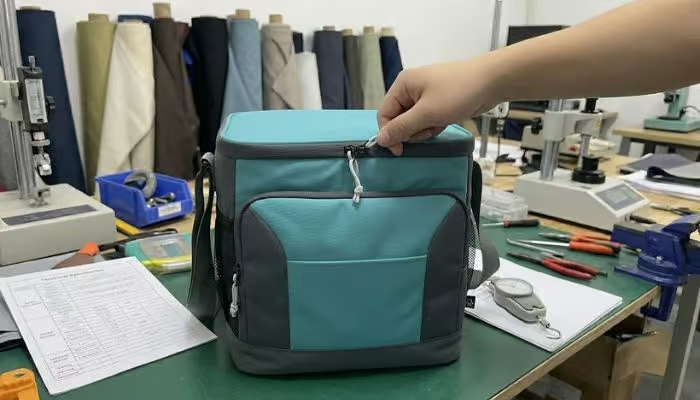
Quality testing helps you check whether an insulated bag can perform well before mass production. A sample should not only look correct. It should also hold temperature, resist leakage, carry weight, close smoothly, and fit the real products it is designed to hold.
Temperature Retention
Temperature retention testing measures the insulated bag’s ability to slow temperature change over time. The test should use real products or similar fillers, not only an empty bag. You can record the starting temperature, room temperature, testing time, and final temperature after 2, 4, or 6 hours
This test gives a more realistic result than a general product claim. A bag used in a cool indoor room may perform better than the same bag used in a hot van or outdoor event. For custom insulated bags, temperature testing should match the real use environment as closely as possible.
Leak Resistance and Lining Quality
Place a small amount of water inside the insulated bag sample and keep it standing for 10–15 minutes. Then check the outside surface, bottom panel, corners, stitching lines, and seam areas to see whether moisture appears. You can also gently press the bottom and corners to see if liquid moves through weak points.
After the water test, wipe the lining several times with a damp cloth. The lining should stay smooth and stable, without peeling, cracking, heavy wrinkling, bubbling, or separation from the bag body. This test helps confirm whether the lining can handle condensation, light spills, melted ice, and repeated cleaning before bulk production.
Load Capacity and Seam Strength
Load testing should use a realistic weight that matches the planned use. If a medium insulated grocery bag is expected to carry around 10 kg, fill the sample with bottles, grocery packs, or weighted fillers close to that weight. Then lift the bag, carry it for 20–30 meters, and leave it loaded for 15–30 minutes to check whether the bottom sags, the handles stretch, or the bag loses shape.
Seam strength should be checked at the main stress points. These include handle joints, shoulder strap ends, side seams, bottom corners, and zipper edges. During testing, you should look for loose stitches, pulled threads, fabric tearing, lining separation, or visible stress marks. If these areas fail during sample testing, the same problem can become much larger in bulk insulated bag orders.
Zipper and Closure Performance
Zipper testing should include repeated opening and closing, not just one quick pull. Open and close the zipper 20–50 times to see if it catches, separates, misaligns, or becomes difficult to pull. The zipper should move smoothly around corners and close fully without leaving visible gaps.
For Velcro, flap covers, roll-top closures, or fitted lids, check whether the opening stays closed after the bag is loaded. They can fill the bag with the intended products, close it, lift it, tilt it slightly, and check whether the closure loosens or leaves air gaps. A good closure should stay secure during carrying and help reduce air exchange inside the insulated bag.
Real-Use Packing Fit
A real-use packing test shows whether the sample works with the actual products it will carry. A sample may look large enough from the outside, but the inner space may become smaller after foam, lining, zipper structure, and bottom support are added.
Test meal boxes, bottles, ice packs, frozen food packs, wine bottles, or retail items inside the sample before bulk production. The insulated bag should close properly after loading, keep a stable shape, and remain easy to carry. Real packing fit is often the best way to find size problems before mass production.
How to Clean and Maintain an Insulated Bag?

Regular cleaning helps an insulated bag stay fresh, usable, and suitable for repeated use. The main goal is to remove moisture, food residue, stains, and odor before they damage the lining or affect the next use.
- Clean the inner lining: Wipe the inside with a damp cloth and mild soap after use, especially when the bag has carried food, drinks, ice packs, or fresh products. Pay attention to corners, seams, and the bottom area where spills or condensation may collect.
- Dry before storage: Keep the bag open until the lining and fabric are completely dry. Storing a damp insulated bag can create odor, mildew, lining wrinkles, or material aging, especially in warm or humid conditions.
- Avoid harsh washing: Do not use bleach, strong chemicals, high-temperature washing, machine washing, or tumble drying unless the supplier confirms it is safe. Harsh cleaning can damage the foam layer, lining film, stitching, zipper, and printed logo.
Key Trends Shaping Modern Insulated Bag Design
Modern insulated bag design is moving toward better materials, smarter product information, and more flexible structures. Brands now expect custom insulated bags to support temperature retention, reusable value, clear branding, and practical use across different business projects.

Sustainable Material Innovation
Material innovation is moving insulated bags toward lighter and higher-performance structures. Some premium projects may explore aerogel insulation, nano-coated fabrics, phase change materials, vacuum insulation panels, or low-conductivity composite layers to improve temperature retention without adding too much bulk. These materials are not used in every insulated bag, but they show the direction of advanced custom designs.
Smart Temperature Tracking
Smart temperature tracking is appearing in some higher-value insulated bag projects. Brands may add temperature labels, QR codes, NFC tags, or smart labels to support product information, batch details, delivery tracking, or customer interaction. These features do not replace insulation, but they can add traceability and communication value when the bag is used for food delivery, fresh products, or branded retail programs.
Multi-Functional Business Designs
Multi-functional insulated bag design is growing because business buyers want one product to support several business needs. A modern insulated bag may combine cooling, logo display, reusable packaging, easy carrying, and retail presentation. Foldable bodies, removable dividers, outer pockets, reinforced bases, and shoulder straps can add value when they match the project’s real use.
Build Custom Insulated Bags for Your Brand with Gentle Bags
Gentle Bags supports custom insulated bag projects for brands, wholesalers, retailers, and promotional product buyers. We can help you adjust bag size, outer fabric, foam thickness, inner lining, handle style, closure design, logo method, and packaging details based on your product use, target market, and bulk order requirements.
Whether you need insulated bags for food delivery, grocery retail, outdoor promotions, corporate gifts, or wine packaging, our team can help turn your idea into a practical custom design. Contact us and share your specifications, quantity, logo file, and performance needs. We will help you develop insulated bags that balance temperature retention, durability, brand presentation, and stable bulk production.
Conclusion
An insulated bag works by slowing temperature change through foam insulation, reflective lining, and a tighter closure design. Its real performance depends on the full structure, including outer fabric, foam thickness, inner lining, reinforcement details, size, carrying design, and the way the bag is packed during use.
For business buyers, choosing the right insulated bag means looking beyond appearance or unit price. It needs to match the product, target market, branding goal, expected holding time, and bulk production requirements. When these details are planned well, insulated bags can support product protection, reusable value, and stronger brand visibility.
FAQs
1. What is an insulated bag used for?
An insulated bag is used to help keep items hot or cold for a limited time during carrying, delivery, shopping, or short-term storage. Businesses often use insulated bags for food service, grocery retail, promotional gifts, outdoor events, wine packaging, and branded merchandise.
2. What materials are best for insulated bags?
The best insulated bag materials depend on the project. Polyester offers good cost control and printability. Oxford fabric provides a stronger structure and abrasion resistance. EPE foam or PE foam helps slow temperature change. PEVA or aluminum foil lining can improve cleaning, moisture control, and temperature retention.
3. What is the difference between an insulated bag and a cooler bag?
An insulated bag is the broader category. It can help keep items hot or cold. A cooler bag usually refers to a soft insulated bag designed mainly for cold retention, often used with ice packs, gel packs, drinks, frozen food, or outdoor products.
4. Are insulated bags sustainable?
Yes, insulated bags can be sustainable when they are reusable, durable, and made with lower-impact materials such as RPET fabric, recycled polyester, or PVC-free lining. Their sustainability mainly comes from repeated use and reduced reliance on single-use packaging.
5. Can insulated bags be customized with a logo?
Yes. Insulated bags can be customized with a logo using screen printing, heat transfer printing, embroidery, woven labels, rubber patches, or printed fabric labels. The best logo method depends on the outer fabric, logo complexity, order quantity, budget, and expected durability.