
Polyester fabric is one of the most widely used materials for bags today. Fabric strength, surface finish, coating, printing method, color stability, and final bag structure can all affect product quality. For custom bag projects, choosing polyester only by price can lead to weak seams, poor logo results, or bags that do not match the intended use.
Last Updated on September 24, 2026, by Gentle Bags Team
This guide explains what polyester fabric is, how it performs, where it is used, and what you should check before ordering polyester bags in bulk.
What Is Polyester Fabric?

Polyester fabric is a synthetic, man-made textile produced from plastic fibers derived mainly from petroleum-based chemicals. Chemically known as polyethylene terephthalate (PET), it is structurally identical to the plastic used to make disposable water bottles. Since its commercial rise in the mid-20th century, its low production cost and rapid-drying properties have made it the most widely used textile in the global market.
In the custom bag manufacturing industry, this fiber offers exceptional versatility depending on how it is processed. Fine, lightweight polyesters are ideal for compact items like foldable shopping bags and drawstring pouches, whereas heavy-duty variations like polyester Oxford or canvas provide the necessary structural strength for backpacks, travel luggage, cooler bags, and storage bins. The final performance depends on denier, weave, coating, lining, and surface finish.
How Is Polyester Fabric Made?
Polyester fabric is made by converting polyester polymer into fibers, stretching those fibers into yarn, and turning the yarn into fabric through weaving or knitting. This process includes five main stages: polymerization, fiber spinning, yarn drawing, weaving or knitting, and dyeing and finishing. Each stage affects the final fabric differently. For custom polyester bags, these details influence fabric strength, surface texture, water resistance, logo printing quality, and bulk production consistency.
Step 1: Polymerization
Polyester production begins with polymerization. In this step, chemical raw materials react under controlled heat and pressure to form the polyester polymer. For most textile applications, the main polymer is PET, or polyethylene terephthalate, which is made from purified terephthalic acid and ethylene glycol.
After the reaction, the polymer is cooled and turned into small chips or pellets. These polyester chips become the base material for fiber spinning. At this stage, the material does not look like fabric yet, but its quality already influences fiber consistency, dyeing behavior, and final fabric performance.
Step 2: Fiber Spinning
Fiber spinning turns polyester chips into continuous fibers. During this process, the chips are melted and pushed through tiny holes called spinnerets. As the melted polymer cools, it forms long polyester filaments that can later be processed into yarn. This step affects the fiber’s fineness, smoothness, and consistency. Fine filaments can create a smoother fabric surface, while stronger or slightly thicker filaments can support more durable textile structures.
A clean spinning process also helps reduce weak points in the fiber. When the fiber is more consistent, the finished polyester fabric usually performs better during weaving, dyeing, cutting, sewing, and repeated daily use.
Step 3: Yarn Drawing
After spinning, the fresh polyester filaments pass through heated rollers. The first rollers move slowly, while the later rollers move faster. This speed difference stretches the filaments, thins them, and helps the internal polymer chains line up more evenly.
This drawing process improves the yarn’s strength, stability, and resistance to unwanted stretching. A well-drawn yarn also helps polyester fabric keep its structure during weaving, cutting, sewing, and long-term use. After drawing, the yarn may also be texturized to create more volume, softness, or surface grip, which affects the hand feel of bag fabrics.
Step 4: Weaving or Knitting
After drawing, polyester yarn is turned into fabric through weaving or knitting. Woven polyester uses two sets of yarns that cross each other at right angles, while knitted polyester uses loops of yarn to create a softer and more flexible structure.
For most bag projects, woven polyester is more common because it gives the fabric better shape control and strength. Knitted polyester is used more often in apparel, linings, mesh panels, and soft textile products. It has more stretch and drape, but it usually does not provide the same structure needed for load-bearing bag bodies, reinforced bottoms, or shaped compartments.
Step 5: Dyeing and Finishing
Polyester usually needs high-temperature dyeing because the fiber has low moisture absorption and does not take color as easily as cotton or linen. During dyeing, the fabric is placed in dyeing equipment with disperse dyes, heat, and pressure. The high temperature helps the dye enter the polyester fiber and create a more stable color result.
Finishing comes after dyeing. The fabric may receive coating, calendaring, water-repellent treatment, lamination, softening, or printing preparation. For polyester bags, this final stage can change the fabric’s surface feel, stiffness, water resistance, logo printing effect, and overall appearance.
Key Types of Polyester Fabric
The main types of polyester fabric include PET polyester, PCDT polyester, recycled polyester, and plant-based polyester. These types differ in polymer structure, raw material source, flexibility, cost, availability, and sustainability claims. In this section, we will look at each type separately.

PET
PET, or polyethylene terephthalate, offers a practical balance among cost, availability, and durability, making it the most widely used type of polyester in textile production. It has strong dimensional stability, good wrinkle resistance, low moisture absorption, and reliable performance in large-scale fabric production, making it the top choice for everyday apparel and heavy-duty bags.
PCDT
Poly-1,4-cyclohexylene-dimethylene terephthalate (PCDT) is a variation that utilizes a different chemical acid during synthesis, giving it greater elasticity and resilience than standard PET. Because it stretches more comfortably and resists pilling or abrasion, it is highly favored for heavier fabrics, structural upholstery, curtains, and premium suits. However, due to its specialized chemical makeup, it is more expensive to produce and less common in bulk consumer manufacturing.
Recycled Polyester
Recycled Polyester, commonly known as rPET, is a sustainable alternative created by melting down post-consumer plastics, such as discarded water bottles and ocean waste, and spinning them into new fibers. It delivers the same durability, strength, and performance as virgin PET but requires significantly less energy to manufacture and diverts plastic waste from landfills. It has become a premier choice for eco-conscious brands looking to lower their carbon footprint without sacrificing product quality.
Plant-Based Polyester
Plant-based polyester is an emerging biosynthesized material manufactured by substituting petroleum-based feedstocks with renewable agricultural resources such as sugarcane, corn starch, or waste biomass. Although its performance and durability rival those of traditional PET, its production relies on renewable inputs rather than fossil fuels.
Furthermore, this material is sometimes engineered to exhibit partial biodegradability under specific industrial conditions. As manufacturers strive to achieve a complete decoupling of synthetic fibers from the petroleum supply chain, this innovative fabric represents the future trajectory of sustainable textiles.
What Are the Main Features of Polyester Fabric?
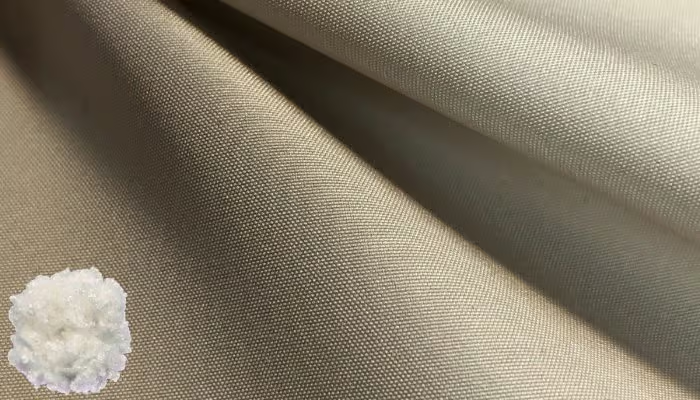
Polyester fabric is valued for its strength, light weight, wrinkle resistance, quick drying, and easy-care performance. These features make it useful across apparel, home textiles, outdoor products, promotional items, and many custom bag projects.
- High Durability & Strength: Its resilient molecular structure resists tearing, stretching, and abrasion, making it ideal for heavy-duty backpacks, luggage, and outdoor gear.
- Shape & Wrinkle Resistance: The fibers naturally resist creasing and shrinking, allowing products to retain their original form and appearance after heavy use and washing.
- Fast-Drying & Moisture-Wicking: As a hydrophobic material, it absorbs minimal water and dries rapidly, which prevents fabric weight gain and discourages mold growth.
- High Customizability: By adjusting denier, weave patterns, or adding protective coatings (like PU/PVC), it can easily transform from a light mesh to a waterproof canvas.
- Cost-Efficiency: Mass production from stable synthetic supplies ensures lower raw material costs and consistent quality compared to natural agricultural fibers.
Is Polyester Fabric Considered Healthy?
When it comes to health and comfort, polyester often sparks debate, especially when compared to natural fibers like cotton or linen. While polyester offers outstanding durability and easy care, its synthetic composition means it lacks the breathability and moisture management found in natural materials.
Because polyester is not naturally breathable, it can sometimes trap heat and moisture against the skin, which may be less comfortable for those with sensitive skin or allergies. For this reason, it’s common to find polyester blended with cotton—creating fabrics like polycotton—to balance the practicality of polyester with the softness and breathability of cotton.
Consumers often seek out 100% cotton for products that come in close contact with the body, such as bed linens or baby clothing, to prioritize comfort and skin health. Cotton’s hypoallergenic and gentle properties make it a preferred option for sleep and for children’s products, where natural materials are frequently recommended.
Ultimately, blending polyester with natural fibers can provide the best of both worlds—offering strength, wrinkle-resistance, and easy maintenance alongside improved comfort and breathability. Still, for those with heightened sensitivities or for use cases like bedding and infant items, natural fibers may be worth the premium.
Common Limitations and Challenges of Polyester Fabric for Bags

While polyester is highly valued for its durability and cost-efficiency, it presents specific engineering and performance challenges that you must address during product development. Understanding these constraints is essential for designing bags that balance strength with user comfort and environmental responsibility.
- Environmental Impact & Plastic Pollution: Being petroleum-derived, polyester bags can persist for a very long time in landfills and shed harmful microplastics, which can conflict with a modern eco-conscious brand image.
- Low Breathability & Heat Retention: When used for backpack back panels, messenger bag straps, or duffel handles, the dense synthetic fibers trap heat and sweat, reducing carrying comfort during extended outdoor use.
- Odor & Oil Absorption: The material repels water but can hold onto body oils, sweat residues, sunscreen, makeup, or food grease, which is more visible in lunch bags, cosmetic bags, travel pouches, and products that need frequent cleaning.
- Static Electricity & Dust Attraction: Low moisture retention causes the fabric to easily build up static electricity, which acts like a magnet for lint, pet hair, and environmental dust during daily transit.
- Heat Sensitivity: Due to its low plastic melting point, polyester bags like cooler bags, storage bins, and travel bags are highly susceptible to permanent warping, scorching, or melting if exposed to high-temperature drying, ironing, or campfires.
What Is Polyester Fabric Used For?
Polyester fabric is used for bags, apparel, sportswear, home textiles, outdoor products, and industrial textile applications. Its wide use comes from a practical mix of strength, low moisture absorption, wrinkle resistance, color stability, and flexible finishing options. The following sections explain the main uses of polyester fabric.
Promotional and Retail Bags

Polyester fabric is a practical choice for both high-volume promotional bags and more durable retail bag products. Lightweight polyester works well for cost-controlled items such as promotional drawstring pouches, foldable shopping totes, event bags, and custom cosmetic bags. Higher-denier polyester fabrics can improve shape, durability, and perceived value for retail collections of weekender bags, laptop bags, duffel bags, and insulated food bags.
This material also gives brands enough flexibility for logo and color customization. Screen printing, heat transfer, sublimation, embroidery, woven labels, and rubber patches can all work with polyester, depending on the fabric surface, coating, artwork detail, and order quantity.
Outdoor and Travel Products

Because it naturally resists environmental wear, moisture, and mildew, polyester is an essential material for outdoor recreation programs and travel gear. It serves as the durable outer shell for camping tents, sleeping bags, and heavy-duty duffel bags that must withstand rough handling at airports. Furthermore, it is the standard fabric for outdoor patio umbrellas, grill covers, and boat tops because it handles UV exposure and rain without rotting or warping.
Apparel and Sportswear

Polyester dominates the garment industry, particularly in activewear, performance sportswear, and everyday fashion. Thanks to its moisture-wicking and quick-drying capabilities, it is the primary fabric for running shirts, athletic jerseys, and gym apparel, keeping athletes dry by rapidly evaporating sweat. Additionally, when blended with natural cotton (poly-cotton), it creates soft, wrinkle-resistant everyday clothing like hoodies, T-shirts, and work uniforms that retain their shape through repeated washing.
You’ll often spot garment labels listing blends such as “70% cotton, 30% polyester”—a popular combination that leverages the strengths of both fibers. Pure polyester can be used alone for sewing or as a coating fabric, but mixing it with natural yarns like cotton helps reduce wrinkling and adds flexibility to garments. This makes poly-cotton blends a go-to choice for anyone seeking the comfort of cotton with the easy-care, shape-holding properties of polyester.
Home Textiles and Upholstery

In home furnishings, polyester is highly valued for its stain resistance, durability, and ease of maintenance. It is commonly woven into heavy fabrics for living room sofa upholstery, decorative throw pillows, and light-blocking curtains that resist fading from sun exposure. Its smooth, non-absorbent properties also make it ideal for cost-effective bed sheets, durable laundry bags, and quick-drying bathroom shower curtains.
Industrial and Protective Textile Products

Beyond consumer goods, polyester’s high tensile strength and resistance to chemicals make it indispensable for industrial safety and heavy machinery applications. It is twisted into ultra-strong threads for manufacturing car seatbelts, cargo tie-down straps, and high-load hoisting slings. Additionally, the fiber is engineered into heavy-duty conveyor belts, industrial liquid filtration sheets, and flame-retardant protective workwear for hazardous environments.
What Polyester Fabric Structures Are Commonly Used for Bags?
Polyester can be woven into different fabric structures, and each structure changes the way a bag feels, looks, and performs. This is why two bags made from “polyester” can have very different thickness, stiffness, texture, and durability. In custom bag projects, fabric structure often matters as much as fiber type. The following sections will look at three common options used in bag production.
Polyester Canvas

Polyester canvas uses a plain, tightly crisscrossed weave that replicates the rugged, matte appearance of traditional cotton canvas while offering superior performance. Unlike its natural counterpart, polyester canvas is far lighter, dries much faster, and naturally resists mold, mildew, and rot. Because it handles heavy graphic printing exceptionally well, it is highly favored for retail tote bags, fashionable everyday backpacks, and structured storage bins.
Polyester Oxford

Oxford is the most popular fabric structure in bag manufacturing, characterized by a basket-weave pattern that pairs durability with a professional look. It can be made in different deniers and combined with coating or lamination, so you can adjust fabric strength, hand feel, stiffness, water resistance, inner protection, and cost according to the Oxford bag’s level.
- 210D – 420D (Lightweight): Thin and soft. Best for interior linings, promotional drawstring bags, and shopping totes.
- 600D (Midweight / Standard): The industry workhorse. Offers the best balance of cost and strength for school backpacks, gym duffels, and coolers.
- 900D – 1200D (Heavyweight): Thick and rigid. Built for high-load capacity in professional hiking packs, camera bags, and premium travel gear.
- 1680D+ (Ballistic / Ultra-Heavy): Extremely rugged and puncture-resistant. The premium standard for tactical backpacks, heavy tool cases, and rolling luggage.
Ripstop Polyester

Ripstop polyester is a woven polyester fabric with a visible grid pattern. This grid is created by adding stronger reinforcement yarns into the fabric at regular intervals, helping limit the spread of small tears. Due to its ultra-lightweight and exceptional strength, ripstop polyester is suitable for products that need to fold, compress, or move easily during travel, such as outdoor camping backpacks, hiking daypacks, and compact, foldable shopping bags.
Jacquard Polyester

Jacquard polyester is made on specialized looms that weave patterns, textures, or logos directly into the fabric structure instead of printing them on the surface, which gives the material a richer, multi-dimensional look and helps increase the perceived value of the finished bag.
It elevates items like fashion totes, laptop sleeves, cosmetics pouches, and travel bags with subtle, integrated branding, where subtle monograms or geometric motifs add high-end value without relying on heavy decoration. Because these woven structures offer less flexibility for adjustments post-production, finalizing the pattern scale, yarn colors, and design placement during the sampling phase is essential.
Air Mesh Polyester

Air mesh is a three-dimensional knit structure consisting of two separate layers of polyester fabric connected by a dense network of vertical spacer fibers. This unique design creates a highly breathable internal cushion that allows continuous airflow and evenly distributes weight under pressure.
In custom bag manufacturing, this lightweight material is strategically placed in high-contact body zones—such as backpack back panels, padded shoulder straps, waist belts, laptop bag cushioning, and gym bag handles. For bulk custom bag orders, selecting the right mesh thickness, foam density, and abrasion resistance is critical to maintaining carrying comfort and a premium aesthetic over time.
Polyester Fabric vs Other Common Bag Materials
Polyester is often compared with nylon and cotton because these materials appear frequently in custom bag projects. Each option has a different balance of strength, weight, cost, texture, print compatibility, and brand image. The following comparisons explain where polyester performs well and where another material may be a better fit.
Polyester vs Nylon

Nylon is stronger, more elastic, and offers superior abrasion resistance compared to polyester, making it highly favored for premium tactical gear and extreme outdoor backpacks. However, nylon bags absorb more water and are highly susceptible to UV degradation, causing them to fade and weaken under prolonged sunlight.
Polyester stands out as the more stable and cost-effective choice for everyday retail bags, outdoor covers, and printed merchandise because it retains its color under the sun and maintains its structural shape when wet.
Polyester vs Cotton

Cotton offers a soft, premium texture and a natural appearance, so it is often used for casual shopping totes and eco-style lifestyle bags. However, pure cotton has clear limits in demanding bag applications. It absorbs moisture easily, wrinkles after folding, may shrink after washing, and can develop mildew or fiber damage if stored damp.
Polyester gives buyers a more durable and moisture-resistant alternative. It resists rot better than cotton, dries faster, and handles repeated cleaning with less shape loss. For rugged travel gear, gym duffels, sports bags, and daily-use carry bags, polyester usually provides more stable performance under frequent handling and changing environments.
Comparison Table
| Comparison Point | Polyester | Nylon | Cotton |
| Strength | Durable for daily-use bags | Stronger for abrasion-heavy use | Moderate, weaker when wet |
| Weight | Light to medium | Light with high strength | Heavier when thick |
| Cost | Cost-efficient for bulk orders | Usually higher than polyester | Varies by grade and weight |
| Texture | Smooth, firm, or coated | Smooth and technical | Soft and natural |
| Print Compatibility | Works with screen printing, heat transfer, sublimation, embroidery, labels, and patches | Needs testing on coated surfaces | Good for simple screen printing, embroidery, and natural-style artwork |
| Brand Image | Practical, durable, clean, and suitable for commercial bag programs | Technical, premium, sporty, and outdoor-focused | Natural, casual, simple, and lifestyle-oriented |
Available Certifications for Polyester Bags

Certifications help you verify recycled content, chemical safety, restricted substances, and textile safety claims for polyester bags, but they do not automatically prove that a bag is “eco-friendly.” Before relying on any claim, you should check the certification name, testing scope, certified material, product color, coating, accessories, and target market.
- GRS: Verifies recycled-content tracking throughout the supply chain for rPET bags. You must check if the certification scope covers the raw fiber, the fabric, or the fully finished bag to validate marketing claims.
- REACH: An EU regulation certifying chemical safety across all bag components, including fabrics, dyes, coatings, zippers, and buckles. Test reports must precisely match the exact materials and colors of the final order.
- OEKO-TEX STANDARD 100: Certifies textiles are tested for harmful substances, making it vital for children’s bags or close-to-body items. It only proves chemical safety, meaning it cannot substitute for GRS to prove recycled claims.
How to Choose Polyester Fabric for Custom Bag Projects?
Polyester can support many bag styles, but the right specification depends on load capacity, surface finish, carrying comfort, cleaning needs, and brand presentation. After you understand polyester’s features, uses, structures, material comparisons, and available certifications, the next step is applying that information to a real product decision. The following points help you avoid choosing fabric only by price or by a simple material name.

Match Fabric Thickness and Hand Feel to Bag Use
When choosing polyester fabric for custom bags, the primary task is to match the fabric thickness and hand feel to the actual use of the bag. The fabric thickness directly determines the bag’s weight and durability, while the hand feel directly affects the user’s initial tactile experience.
- 210D–420D: Light, thin, and flexible in hand, this range works well for drawstring bags, packable shopping bags, simple pouches, and light everyday backpacks.
- 600D–900D: Firmer to the touch, suitable for school bags, laptop bags, commuter tech bags, gym bags, and medium-load travel bags.
- 1200D–1680D: Thicker and more structured, best for heavy-duty travel luggage, tool bags, or professional outdoor hiking backpacks.
Check Coating and Water Resistance Needs
Coating changes how polyester fabric performs in terms of moisture, cleaning, structure, and surface protection. The right coating should match the bag’s real use environment.
- PU Coating: Provides basic water-repellent performance while maintaining fabric softness, making it suitable for standard city commuter bags.
- PVC Coating: Adds a stronger structure and better water blocking, but it can feel heavier and stiffer. Perfect for cooler bags, storage bags, and products that need a firmer body.
- TPU Coating: Offers better flexibility and water barrier performance than many basic coatings, serving as the premium standard for higher-end sports, outdoor, travel, or wet-use bag projects.
- DWR Surface Finish: Helps water bead up and roll off the surface, working wonderfully for bags that face light rain or outdoor handling without making the full bag entirely waterproof.
- Lamination or Backing: Adds body, inner protection, or insulation support, which excellently supports the structural needs of cooler bags, padded bags, laptop bags, and organized travel products.
Review Stitching and Load-Bearing Areas
A strong polyester fabric still needs the right sewing structure. In bag production, most failures happen around stress points, not in the middle of the fabric panel.
- Handle Joints: Check whether the fabric around the handle attachment can hold repeated pulling without distortion.
- Shoulder Strap Anchors: Reinforce these areas with bar tacks, box stitching, X stitching, or webbing support.
- Side Seams: Use proper seam allowance, stitch density, and edge finishing to reduce seam opening or yarn slippage.
- Bottom Corners: Add stronger fabric, binding, or extra panels when the bag needs to carry heavier items.
- Raw Edges: Seal, overlock, or bind cut polyester edges to reduce fraying inside the bag.
Additional Sewing Considerations for Polyester
Polyester fabric does not absorb moisture, so it typically does not shrink. If you’re working with 100% polyester, pre-washing isn’t necessary for shrinkage control. However, if your fabric is a blend with natural fibers—like cotton or rayon—washing before cutting is a smart step to prevent unexpected changes in size after sewing.
Also, because polyester is slick and can be prone to puckering or skipped stitches, use sharp polyester or microtex needles and quality polyester thread. Adjust your machine tension and stitch length as needed to achieve smooth, even seams. Take extra care when pressing seams, using a lower heat setting or a pressing cloth, since polyester can be sensitive to high temperatures.
By combining sturdy sewing techniques with polyester’s unique properties, you’ll ensure your finished bag stands up to daily use while maintaining its shape and style.
Test Logo Printing Durability
Polyester supports many logo methods, but the best option depends on the fabric surface, coating, artwork detail, and expected use. Logo testing should happen on the actual fabric, not on a similar material.
- Silkscreen Printing: Delivers high-contrast results for single-color or simple line logos, making it the go-to method for budget-friendly custom branding on rough polyester surfaces.
- Sublimation: Excel at reproducing full-color artwork or complex gradient patterns, offering a seamless option for vibrant, fade-resistant designs that fuse directly into polyester fibers.
- Heat Transfer: Provides a flexible solution for small-batch customization and individual personalization, acting as an ideal choice for sharp graphics while requiring strict temperature control to protect waterproof coatings.
- Embroidery: Elevate the brand image with a premium, textured feel for stitched emblems, serving as the perfect match for high-end logos, though a backing stabilizer is needed to prevent thin polyester from puckering.
Confirm Bulk Color Consistency
Strict color control protects brand consistency before mass production begins. Polyester is a synthetic fiber, so its final shade can shift between dye lots, coatings, lighting conditions, and production batches. To reduce this risk, you should define the target color with a clear Pantone reference instead of relying on digital mockups or screen colors.
Before bulk bag production, request physical lab dips and review them under a standard D65 light box. The production agreement should also require same-dye-lot control, so the fabric or yarn comes from one approved batch whenever possible. For retail projects, a metamerism check is also useful because the same polyester bag may look slightly different under outdoor sunlight, warehouse lighting, and store display lights.
Why Work with a Custom Polyester Bag Manufacturer?
Gentle Bags provides custom polyester bag manufacturing services for business buyers who need reliable material selection, sample development, logo customization, and bulk production support. We can help you choose the right polyester fabric, coating, lining, size, color, hardware, printing method, and packing solution based on your bag structure, target market, and price level.
If you are planning custom polyester bags for retail, promotional, travel, outdoor, or corporate projects, contact us to discuss your requirements. Our team can help you turn fabric specifications, design details, and quality standards into a practical production plan for wholesale orders.
Conclusion
Polyester fabric remains the cornerstone of bag manufacturing due to its exceptional durability, cost-efficiency, and versatility across diverse product designs. By adjusting denier ratings, selecting specialized weaves, and applying protective coatings, it easily scales from lightweight promotional pouches to heavy-duty travel luggage.
Why Polyester Is a Top Choice for Bags?
Polyester’s appeal extends far beyond its strength and affordability:
- Easy Care: Polyester is machine washable, dries quickly, and resists shrinking and creasing—making it ideal for busy consumers and high-use items. It rarely requires ironing and holds its shape well, maintaining a neat appearance even after heavy use.
- Soft, Silky Texture: Advances in fiber technology enable polyester to mimic the soft, flexible hand feel of more expensive fabrics, while still delivering resilience and structure.
- Long-Lasting Looks: The fabric resists pilling and doesn’t show wear marks—no more worrying about knee or elbow impressions that often plague cotton or wool blends.
- Resistant to Pests and Mildew: Polyester naturally fends off moths, insects, and microorganisms like mold and fungus, which is especially helpful for travel, outdoor, and storage bags.
- Colorfast and Customizable: Its synthetic nature allows for vibrant, consistent coloration and a wide range of printing, embroidery, or coating options.
While conventional polyester poses environmental and breathability challenges, modern brands successfully mitigate these issues by adopting recycled rPET fibers and ergonomic 3D air mesh structures. Ultimately, procurement teams can secure a highly profitable, defect-free bulk order by rigorously inspecting sample thickness, seam reinforcement, and global compliance certifications before mass production.
FAQs
1. Is Polyester Fiber Natural or Synthetic?
Polyester fiber is synthetic. It does not come directly from plants or animals like cotton, linen, wool, or silk. Most polyester fabric is made from PET, a petroleum-based polymer that is processed into fibers, yarns, and finished textile materials.
2. Is polyester fabric good for bags?
Yes, polyester fabric is good for many types of bags because it is durable, lightweight, cost-efficient, and easy to customize. It works well for promotional bags, shopping bags, drawstring bags, backpacks, cooler bags, travel bags, cosmetic bags, and storage bags.
3. Is polyester fabric waterproof?
Polyester fabric absorbs little water, but it is not fully waterproof by itself. For better water resistance, polyester usually needs PU coating, PVC coating, TPU coating, lamination, or a water-repellent finish, and the full bag also needs suitable seams, zippers, lining, and closures.
4. What does 100% polyester mean?
100% polyester means the fabric is made entirely from polyester fibers, without cotton, nylon, rayon, spandex, or other blended fibers. However, it only describes fiber content, so buyers still need to check fabric weight, weave, coating, hand feel, and finishing before choosing it for bags.
5. Does polyester contain BPA?
Standard polyester fabric is usually made from PET, not polycarbonate plastic, so BPA is not normally part of the basic polyester fiber structure. If the bag includes coatings, prints, plastic accessories, linings, or special finishes, you should check the relevant test reports for those actual components.
6. Is Recycled Polyester a Better Option?
Recycled polyester can be a better option when a project wants to reduce the use of virgin polyester and support recycled material claims. It can still offer durability, wrinkle resistance, and quick-drying performance, but you should verify recycled content, material source, certification scope, and documents such as GRS when needed.
7. What Are the Main Characteristics of Polyester Fiber?
Polyester fibers have a range of physical properties that set them apart:
- Microscopic Appearance: Under the microscope, polyester looks like a smooth rod with a round cross-section.
- Color and Finish: Typically produced in white, polyester fibers are naturally shiny. However, they can be manufactured with a semi-dull or matte appearance if less sheen is desired.
- Fineness and Length: Polyester is highly versatile—made as long, continuous filaments or chopped into staple lengths, depending on the intended use.
- Strength: Strength can vary with production method, but filament polyester generally ranges from about 4 to 7 grams per denier, making it quite durable.
- Moisture Absorption: Polyester has very low moisture absorption (about 0.2%–0.8%), meaning it stays relatively dry and wicks moisture to the surface—a plus for warm-weather wear.
- Friction Resistance: Thanks to excellent resistance to friction, polyester fabrics are quite durable, though some pilling can occur.
- Dimensional Stability: When treated with heat (a process called hot fixation), polyester becomes highly dimensionally stable and resists shrinking—though excessive heat can still cause some shrinkage.
- Elasticity: Polyester bounces back well, with filament forms stretching 15%–30% and batched forms up to 50%, making it flexible and resilient.
- Density: Lightweight is another hallmark. Polyester’s specific gravity is about 1.38 g/cm³, so it won’t weigh you down.
These characteristics are why polyester remains a favorite for sportswear, home furnishings, and countless everyday fabrics.